USB Security Token
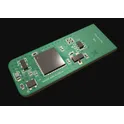
This design implements a USB security token powered by an STM32 microcontroller. The device is engineered for compactness and efficient PCB integration while ensuring robust security features. Key elements of the design include: - **Microcontroller Core:** A STM32F103T8U6 serves as the primary processing unit, handling USB communication and security protocols. - **USB Interface:** A USB-A plug provides connectivity to the host. Dedicated net portals ensure proper routing of the VBUS, D+, D–, and ground signals. - **Power Regulation:** A low-dropout regulator supplies a stable 3.3V operating voltage, ensuring low noise and proper current supply to the microcontroller and peripherals. - **Signal Conditioning and EMI Filtering:** An EMI filter is used to maintain signal integrity and reduce interference while preserving the security token’s functionality. - **Synchronous Elements:** A ceramic resonator is incorporated to provide a precise clock source for USB data transfer and microcontroller operations. - **Additional Components:** Surface-mount resistors, capacitors, and LED indicators are deployed to ensure proper conditioning, decoupling, and status feedback. Their compact 0402 packages facilitate a highly integrated design. - **Connectivity and Net Portals:** Custom net portals are used throughout the schematic to streamline connectivity and PCB layout, keeping the design modular and easy to modify. This USB security token is designed with industry-standard components and robust connectivity to ensure secure, reliable operation in portable security applications. #USBToken #STM32 #PCBDesign #SecurityTechnology #PortableSecurity #Microcontrollers #USBInterface #PowerRegulation #EMIProtection #CompactDesign... show more0 Uses
255 Comments
30 Stars
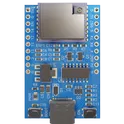
ESP32-WROOM-32E Reference Design
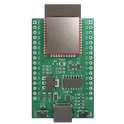
This project is a reference design for an ESP32-WROOM-32E based device. It features USB-C for power and data transfer, onboard voltage regulation, and multiple peripheral connections. It also includes a CH340C for USB to serial conversion #referenceDesign #project #ESP32 #ESP32WROOM #RF #WIFI #MCU #simpleEmbedded #espressif #template .... show more0 Uses
464 Comments
20 Stars
[Example] Simulation of Astable Multivibrator Circuit
A simulated blinking LED circuit using an astable multivibrator a.k.a "flip-flop" as a square wave generator. It also includes PCB layout of the project.... show more0 Uses
99 Comments
15 Stars
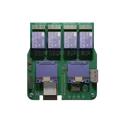
ESP32-S3 - PLC for Home and Small industry
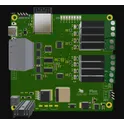
ESP32-S3-PLC For Home and Small Industry, include 8 12V SSR to control DC and AC Current, 8 isolated I/O and a ESP32 as a brain with a USB C to upload the code and the connectivity advantages of the ES32 like WIFI and Bluetooth.... show more0 Uses
9 Comments
13 Stars

Mosfet board with driver
This is a IR2110 high side mosfet driver circuit with mosfet included. This is a circuit I use often and I believe it is time to give it its own board and project.... show more0 Uses
129 Comments
9 Stars
WiFi Camera with Motion Detection Reference Design
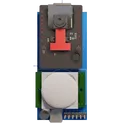
This project is a WiFi Camera with Motion Detection, utilizing ESP32-CAM module and HC-SR501 PIR sensor. The camera is activated by the sensor's output. The system also includes power regulation and communication headers for setup and control. #WiFi #MCU #PIR #ReferenceDesign #project #ESP32 #camera #referenceDesign #edgeComputing #espressif #template #reference-design.... show more0 Uses
146 Comments
8 Stars
ESP32 Dual Ultrasonic Water Level Monitoring System
This project is designed to measure water level of two tanks using ultrasonic sensors interfaced with the ESP32 microcontroller. The design leverages the processing power and wireless connectivity of the ESP32 to accurately monitor water levels and support automated water management processes. Key components include two ultrasonic sensors for precise distance measurement, robust voltage regulation using an LM2596 buck converter, and reliable power management circuits. Its modular design approach facilitates easy expansion and integration with other systems, making it an ideal solution for both DIY enthusiasts and professionals in automated fluid control and IoT applications. Firmware: https://github.com/jharwinbarrozo/ESP32-Dual-Ultrasonic-Water-Level-Monitoring-System #ESP32 #UltrasonicSensor #WaterLevelSensor #LM2596 #VoltageRegulator #ModularDesign #IoT #DIYProjects #ElectronicsDesign #automation... show more0 Uses
0 Comments
6 Stars
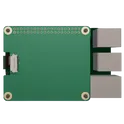
Raspberry Pi 5 Hat with PCIe Template
Template for Raspberry Pi 5 Model Shield. Include an official pinout so you will always know Raspberry Pi names, the alternative roles of pins, which one is SDA, or SCL, etc. On PCB you can find the 3D model of the Raspberry Pi itself along with the board outline on the silkscreen. #RaspberryPi #Raspberry #RaspberryPi5 #raspberry #Pi #RPi #Shield #template #project #project-template... show more0 Uses
54 Comments
5 Stars
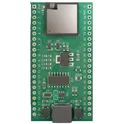
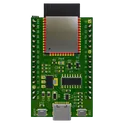
ESP32-S2-MINI-1U Reference Design
This project is a reference design for an ESP32-S2-MINI-1U based device. It features USB-C for power and data transfer, onboard voltage regulation, and multiple peripheral connections. It also includes a CH340C for USB to serial conversion #referenceDesign #project #ESP32 #ESP32S2 #RF #WIFI #MCU #referenceDesign #simple-embedded #espressif #template #reference-design... show more0 Uses
20 Comments
5 Stars
Strangest LED Blinker TestSite
Project Overview: This project is an enhanced LED blinking circuit that goes beyond a simple 555 timer-based design. It incorporates additional features such as random blinking patterns, speed control, and a start/stop function. The project utilizes a microcontroller, such as an Arduino or Raspberry Pi, to control the blinking patterns, speed, and start/stop functionality. LED Blinking: The board features a total of 8 LEDs that blink in various random patterns. When the board is powered on, even before user interaction, the LEDs start blinking randomly, creating an eye-catching display. Each LED has its own current-limiting resistor to ensure proper current flow and prevent damage. The microcontroller is programmed to generate random blinking patterns for the LEDs, ensuring that the LEDs do not blink in a predictable or sequential order. This random blinking adds an element of unpredictability and visual interest to the project. Speed Control: The board includes two speed control buttons that allow the user to adjust the blinking speed of the LEDs. Button 1 is designated as the "fast" button, increasing the blinking speed when pressed, while Button 2 is designated as the "slow" button, decreasing the blinking speed when pressed. The speed control provides a range of blinking speeds, from a slow, gradual blink to a rapid, strobe-like effect. The microcontroller monitors the state of the speed control buttons and adjusts the blinking speed accordingly. Start/Stop Functionality: A third button serves as a start/stop control. When pressed, it toggles the blinking of the LEDs on or off. This allows the user to freeze the blinking pattern at any desired moment or resume the blinking when desired. The microcontroller handles the start/stop functionality by turning the LEDs on or off based on the state of the start/stop button. Manual Speed Adjustment: In addition to the speed control buttons, the board includes a potentiometer or variable resistor. This component allows the user to manually adjust the blinking speed of the LEDs by turning the knob or sliding the control. The manual speed adjustment provides more precise and customizable control over the blinking speed compared to the preset speeds of the buttons. The microcontroller reads the analog value from the potentiometer and adjusts the blinking speed accordingly. Power and Connectivity: The board is powered through a USB-C or USB-micro B connector, allowing it to be easily connected to a power source such as a computer or wall adapter. A voltage regulator may be included to ensure a stable and appropriate voltage supply to the components. A power switch is incorporated to conveniently turn the board on or off.... show more0 Uses
224 Comments
4 Stars
ESP-WROOM-02U Reference Design
This project is a reference design for an ESP- WROOM-02U based device. It features USB-C for power and data transfer, onboard voltage regulation, and multiple peripheral connections. It also includes a CH340C for USB to serial conversion #referenceDesign #project #ESP8266 #WROOM #RF #WIFI #MCU #referenceDesign #simple-embedded #espressif #template #reference-design #polygon... show more0 Uses
19 Comments
4 Stars
ESP32-S2-MINI-2 Reference Design
This project is a reference design for an ESP32-S2-MINI-2 based device. It features USB-C for power and data transfer, onboard voltage regulation, and multiple peripheral connections. It also includes a CH340C for USB to serial conversion #referenceDesign #project #ESP32 #ESP32S2 #RF #WIFI #MCU #referenceDesign #simple-embedded #espressif #template #reference-design #polygon... show more0 Uses
8 Comments
4 Stars
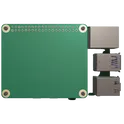
Raspberry Pi 4 Hat Template
Template for Raspberry Pi 4 Shield. Include an official pinout so you will always know Raspberry Pi names, the alternative roles of pins, which one is SDA, or SCL, etc. On PCB you can find the 3D model of the Raspberry Pi itself along with the board outline on the silkscreen. #RaspberryPi #Raspberry #Pi #RPi #Shield #template #project #project-template #raspberry... show more0 Uses
41 Comments
3 Stars
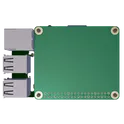
Raspberry Pi 5 Hat Template
Template for Raspberry Pi 5 Model Shield. Include an official pinout so you will always know Raspberry Pi names, the alternative roles of pins, which one is SDA, or SCL, etc. On PCB you can find the 3D model of the Raspberry Pi itself along with the board outline on the silkscreen. #RaspberryPi #Raspberry #RaspberryPi5 #raspberry #Pi #RPi #Shield #template #project #project-template... show more0 Uses
9 Comments
3 Stars
Arduino Nano Shield Template
Template for Arduino Nano Shield. Include an official pinout so you will always know Arduino names, the alternative roles of pins, which one is SDA, or SCL, etc. On PCB you can find the 3D model of the Arduino Nano itself along with the board outline on the silkscreen. #Arduino #Nano #Shield #template #project #project-template... show more0 Uses
2 Comments
3 Stars
Raspberry Pi Model B Hat Template
Template for Raspberry Pi 2, 3, 4 or 400 Model B+ Shield. Include an official pinout so you will always know Raspberry Pi names, the alternative roles of pins, which one is SDA, or SCL, etc. On PCB you can find the 3D model of the Raspberry Pi itself along with the board outline on the silkscreen. #RaspberryPi #Raspberry #Pi #RPi #Shield #template #project #project-template... show more0 Uses
1 Comment
3 Stars
[Example] Simulation of Astable Multivibrator Circuit
A simulated blinking LED circuit using an astable multivibrator a.k.a "flip-flop" as a square wave generator. It also includes PCB layout of the project.... show more0 Uses
9 Comments
3 Stars
ESP32-WROOM-32E Reference Design ePe2
This project is a reference design for an ESP32-WROOM-32E based device. It features USB-C for power and data transfer, onboard voltage regulation, and multiple peripheral connections. It also includes a CH340C for USB to serial conversion #referenceDesign #project #ESP32 #ESP32WROOM #RF #WIFI #MCU #referenceDesign #simple-embedded #espressif #template #reference-design... show more0 Uses
9 Comments
3 Stars
BQ25895 Reference Design
This project is a reference design based on the BQ25895, a single cell Li-Ion battery charger. It manages the power between an external power source (VIN), a Li-Ion battery (BAT), and a system power rail (SYS). Key features include power-path management, battery thermistor monitoring, and charge status indication. #project #BQ25895 #ReferenceDesign #charger #BatteryManagemen #referenceDesign #bms #texas-instruments #template #reference-design #polygon... show more0 Uses
14 Comments
2 Stars
Raspberry Pi 3B+ Hat Template
Template for Raspberry Pi 3 Model B+ Shield. Include an official pinout so you will always know Raspberry Pi names, the alternative roles of pins, which one is SDA, or SCL, etc. On PCB you can find the 3D model of the Raspberry Pi itself along with the board outline on the silkscreen. #RaspberryPi #Raspberry #raspberry #raspberrypi #Pi #RPi #Shield #template #project #project-template... show more0 Uses
10 Comments
2 Stars
ESP32-S3 - PLC for Home and Small industry
ESP32-S3-PLC For Home and Small Industry, include 8 12V SSR to control DC and AC Current, 8 isolated I/O and a ESP32 as a brain with a USB C to upload the code and the connectivity advantages of the ES32 like WIFI and Bluetooth.... show more0 Uses
6 Comments
2 Stars
MSP430FR6035IPZ
The Texas Instruments MSP430FR604x and MSP430FR603x family comprises highly integrated ultrasonic sensing and measurement system-on-chips (SoCs) designed specifically for water and heat metering applications. The featured components, including MSP430FR6047, MSP430FR60471, MSP430FR6045, MSP430FR6037, MSP430FR60371, and MSP430FR6035, deliver best-in-class ultrasonic water flow measurement with ultra-low power consumption. These microcontrollers excel with an active mode current consumption of approximately 120 µA/MHz and a standby mode power draw as low as 450 nA with a real-time clock (RTC) enabled. Key functionalities include a high-precision differential time-of-flight (dTOF) accuracy of less than 25 ps, integrated analog front-end, programmable pulse generation (PPG), and an analog comparator. They also interface directly with standard ultrasonic sensors up to 2.5 MHz and feature up to 256KB FRAM, robust RAM options, and integrated LCD drivers for up to 264 segments. The embedded low-energy accelerator (LEA) enhances digital signal processing capabilities, making these components ideal for battery-powered metering solutions. Peripherals include multiple enhanced serial communication interfaces, high-performance ADCs, DMA controllers, and a suite of timers and encryption modules. These features combine to offer a powerful solution for high-accuracy, low-cost, and ultra-low-power metering applications.... show more0 Uses
4 Comments
2 Stars
NPN-TRANS-001
The Ariel AI chip prototype is an advanced electronic component designed to enhance the capabilities of Flux AI systems through a sophisticated arrangement of transistors, resistors, capacitors, and a cutting-edge CPU. Key components include two NPN transistors (part numbers NPN-TRANS-001 and NPN-TRANS-002), which are essential for signal amplification, alongside precision resistors (RES-1K and RES-1K-002) each with a resistance of 1kΩ, and a capacitor (CAP-10UF) with a capacitance of 10μF, crucial for filtering and stabilizing the voltage supply. At the heart of the design is a revolutionary CPU (part number CPU-RT-4C-2G) featuring a quad-core setup with a clock speed of 2GHz, based on a radical transistor architecture, designed to deliver unparalleled computational performance for AI tasks. This component set is powered by a 5V DC power supply (DCPS-5V), ensuring a stable and efficient operation. The Ariel AI chip is engineered for high-speed, reliable performance in demanding AI applications, representing a significant advancement in electronic component design for artificial intelligence systems.... show more0 Uses
0 Comments
2 Stars
SelfCare Plant Final Design
This project is a reference design for an ESP32-WROOM-32E based device. It features USB-C for power and data transfer, onboard voltage regulation, and multiple peripheral connections. It also includes a CH340C for USB to serial conversion #referenceDesign #project #ESP32 #ESP32WROOM #RF #WIFI #MCU #referenceDesign #simple-embedded #espressif #template #reference-design... show more0 Uses
173 Comments
2 Stars
Guitar Pedal Template
Guitar pedal starter template based on project by Mark Wu. Includes schematic and PCB layout for basic DIY pedal hardware. This includes two 1/4" jacks (one for input and one for output), a 9V power supply (including LED), a 3PDT true bypass wiring setup, and an example potentiometer that can be copy/pasted throughout the circuit. The headers are meant to be unpopulated so that wires can be soldered to the pads. PCB design rules imported from the JLCPCB 2-layer stackup template. #template... show more0 Uses
1 Comment
2 Stars
![[Example] Simulation of Astable Multivibrator Circuit](https://img-cdn.flux.ai/eyJidWNrZXQiOiJncmF2aXRvbi1lbGVjdHJpYy1zeW1ib2xzIiwia2V5IjoiZG9jdW1lbnRfYXNzZXRzL3NpbXVsYXRlZC10aHVtYi0yYjExNjc0Mi01NjY4LWRkMDYtYjdkZC05YWExMTZhODMwZjYucG5nIiwiZWRpdHMiOnsicmVzaXplIjp7IndpZHRoIjoxMjQsImhlaWdodCI6MTI0LCJmaXQiOiJjb250YWluIiwiYmFja2dyb3VuZCI6eyJyIjowLCJnIjowLCJiIjowLCJhbHBoYSI6MH19fSwib3V0cHV0Rm9ybWF0Ijoid2VicCJ9)
Page 1 of 124
Next