Active Components
An active electrical component is a type of electronic component that has the ability to amplify or generate a signal. These components are essential in a wide range of electronic devices and systems, including computers, televisions, radios, and other consumer electronics. Active components are usually made of semiconductor materials and can be classified into two main categories: bipolar and unipolar. Some common examples of active components include transistors, diodes, and operational amplifiers. These components are used in a variety of applications, such as signal processing, power control, and voltage regulation. Flux.ai is home to the world's largest community-driven public library of active electrical components. In this library, you'll find a wide range of footprints, symbols, datasheets, and simulation models for active components. Whether you're a professional engineer or a hobbyist, you'll find everything you need to design and build your own electronic systems at Flux.ai.

Diodes
A diode is a two-terminal electronic component that conducts current primarily in one direction. It is made up of a semiconductor material and has the ability to allow current to pass through it in one direction while blocking current in the opposite direction. Diodes have a wide range of use cases, including rectification, voltage regulation, signal detection, and power management. They are essential components in electronic circuits and can be found in a variety of electronic devices, including computers, smartphones, and appliances. Flux.ai is the world's largest community-driven public library of diodes, with a vast collection of footprints, symbols, datasheets, and simulation models. It is a valuable resource for anyone looking to learn about or work with diodes. Whether you are a student, engineer, or hobbyist, you can find the information and resources you need at Flux.ai to help you understand and work with diodes in your projects.

LEDs
A LED (light-emitting diode) is a small, energy-efficient light source that is commonly used in a variety of applications. LED technology has advanced significantly in recent years, making it a popular choice for a wide range of lighting needs. LEDs are known for their low power consumption, long lifespan, and ability to produce a bright, directional light. One of the primary use cases for LEDs is in general lighting, where they are used in everything from residential and commercial lighting to automotive and aviation lighting. LEDs are also commonly used in electronic displays, such as TVs, computer monitors, and smartphones, as well as in signaling and indication applications, such as traffic lights and exit signs. If you are looking for high-quality LED resources, flux.ai has the world's largest community-driven public library of LED footprints, symbols, datasheets, and simulation models. Whether you are a designer, engineer, or manufacturer, you can find the resources you need to work with LEDs in your projects.

Transistors
A transistor is a type of electronic device that controls the flow of electricity or current through a circuit. It acts as a switch or gate, allowing current to pass through or blocking it, depending on the input signal applied to the transistor. Transistors are widely used in a variety of electronic devices and systems, including computers, televisions, radios, and smartphones. They are also used in a range of industrial and medical applications, such as power supply systems and medical equipment. Flux.ai is home to the world's largest community-driven public library of transistors, with footprints, symbols, datasheets, and simulation models available for a wide range of devices. The library is constantly being updated and expanded by a community of engineers and enthusiasts, making it an invaluable resource for anyone working with transistors. Whether you're a student, hobbyist, or professional engineer, you'll find everything you need to know about transistors at Flux.ai.
Interface ICs
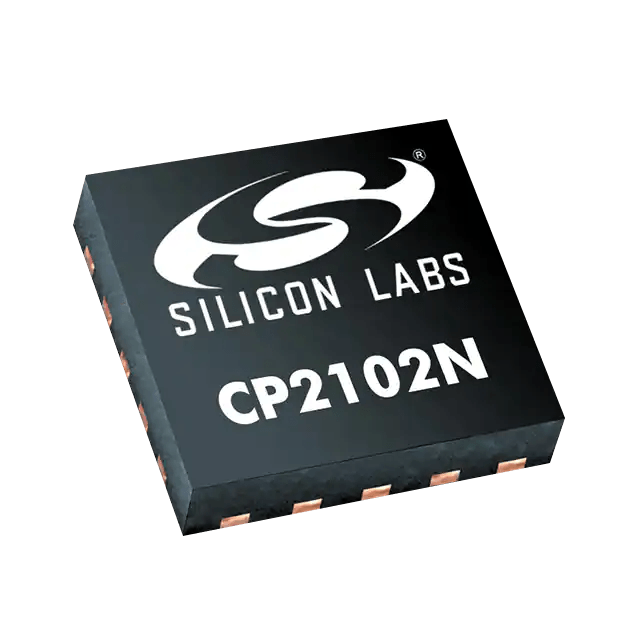
An interface IC is a type of integrated circuit that is designed to facilitate communication between two devices or systems. These devices are commonly used in electronic systems to enable the transfer of data and control signals between different components or subsystems. Some common use cases for interface ICs include connecting microcontrollers to peripherals such as sensors or displays, linking multiple processors together in a network, and enabling communication between devices using different communication protocols. Flux.ai has the world's largest community-driven public library of interface ICs, with footprints, symbols, datasheets, and simulation models. This library is a valuable resource for engineers and designers who need access to accurate and up-to-date information on these important components. Whether you are working on a new design project or simply looking to learn more about interface ICs, Flux.ai is an excellent resource to help you find the information you need.
Microcontrollers
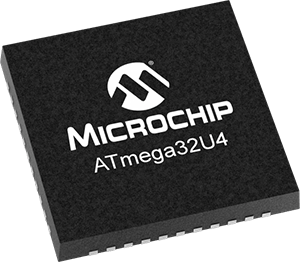
A microcontroller is a small, low-cost computer-on-a-chip that can be used to control electronic devices and systems. It consists of a central processing unit (CPU), memory, input/output (I/O) ports, and other peripherals integrated onto a single chip. Microcontrollers are commonly used in a wide range of applications, including automotive systems, home appliances, industrial automation, and consumer electronics. One of the key benefits of microcontrollers is their ability to interact with their environment through sensors and actuators, making them well-suited for use in embedded systems. These systems are often found in devices that require real-time control or data processing, such as medical equipment, aircraft, and factory automation systems. Flux.ai is home to the world's largest community-driven public library of microcontrollers, with footprints, symbols, datasheets, and simulation models for a wide range of devices. Whether you're a professional engineer looking for a specific microcontroller for your next project, or a hobbyist exploring the possibilities of microcontroller-based systems, Flux.ai has the resources you need to get started.
Sensors
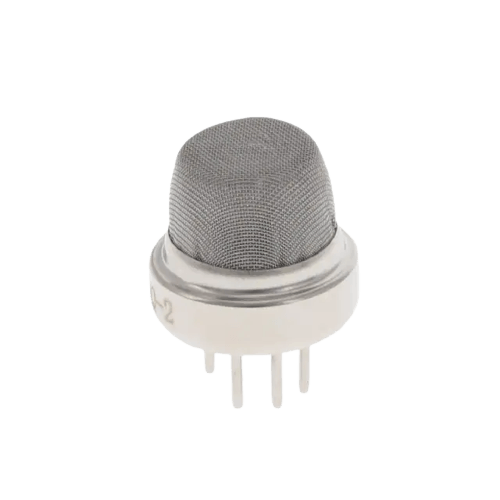
A sensor is a device that detects and measures a physical property or phenomenon, such as temperature, pressure, or motion. Sensors are used in a wide range of applications, including industrial automation, environmental monitoring, healthcare, and transportation. Flux.ai is the world's largest community-driven public library of sensors, with footprints, symbols, datasheets, and simulation models. Our extensive collection of sensors covers a variety of use cases and industries, making it easy to find the perfect sensor for your application. Whether you need a temperature sensor for HVAC systems, a pressure sensor for automotive applications, or a motion sensor for security systems, Flux.ai has you covered. Our comprehensive library of sensors is constantly updated with the latest and most innovative technologies, ensuring that you have access to the best sensors available. So, if you need a sensor for your next project, be sure to check out Flux.ai and take advantage of our extensive collection and expert support.

Voltage Regulators
A voltage regulator is an electronic device that maintains a constant output voltage level, regardless of changes in the input voltage or load conditions. These devices are commonly used to provide a stable power supply to electronic circuits, as well as to protect them from voltage spikes and surges. There are several types of voltage regulators, including linear, switching, and pulse width modulation (PWM) regulators, each with its own set of characteristics and applications. Linear regulators, for example, are simple and efficient, but have a relatively low switching speed and can only provide a limited output current. Switching regulators, on the other hand, have higher switching speeds and can provide a higher output current, but are more complex and require additional components. In addition to their use in power supplies and voltage protection, voltage regulators are also used in a wide range of other applications, including motor control, battery charging, and instrumentation. Flux.ai has the world's largest community-driven public library of voltage regulators, with footprints, symbols, datasheets, and simulation models for a wide range of devices. Whether you're a designer, engineer, or hobbyist, you can find the resources you need to get your project up and running quickly and efficiently.

Battery Management ICs
A Battery Management IC is a specialized microcontroller that monitors and manages the charging and discharging of a lithium-ion or other type of battery. These ICs are essential for ensuring the safe and efficient operation of batteries in a wide range of applications, including portable electronics, electric vehicles, and renewable energy systems. One of the key functions of a Battery Management IC is to optimize the charging and discharging of a battery by controlling the flow of current. This can help to extend the life of the battery and improve its overall performance. In addition to controlling the charging and discharging of a battery, a Battery Management IC can also perform other functions such as monitoring the temperature and voltage of the battery, protecting the battery from overcharge and overdischarge, and providing diagnostic information about the battery's health. Flux.ai has the world's largest community-driven public library of Battery Management ICs, with footprints, symbols, datasheets, and simulation models available for use. Whether you are a designer, engineer, or researcher, the Flux.ai library is an invaluable resource for finding the right Battery Management IC for your project.

Op-Amps
An operational amplifier, or op amp, is a high-gain electronic voltage amplifier with a differential input and a single-ended output. Op amps are used in a wide range of applications, including signal amplification, filtering, and signal processing. Flux.ai has the world's largest community-driven public library of op amps, featuring footprints, symbols, datasheets, and simulation models. This extensive library allows engineers and designers to easily access the resources they need for their projects. Whether you are working on a simple amplifier circuit or a complex control system, Flux.ai has the op amp information you need to get the job done. With a wide range of op amp models available, you can find the perfect solution for your project.

Motor Drivers
A motor driver is a device that controls the speed and direction of a motor. It takes in electrical signals and converts them into motion, allowing the motor to operate as desired. Motor drivers are commonly used in a variety of applications, including robotics, automation, and transportation systems. One company that specializes in motor drivers is Flux.ai, which has the world's largest community-driven public library of motor drivers with footprints, symbols, datasheets, and simulation models. Whether you're a professional engineer or a hobbyist, Flux.ai's comprehensive library can help you find the right motor driver for your project. With a wide range of options available, you're sure to find the perfect fit for your needs.
Timers and RTCs
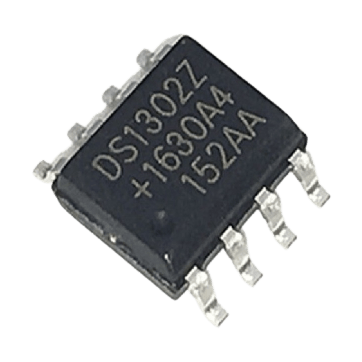
Timers and Real-Time Clocks (RTCs) are electronic devices that are used to measure time or keep track of the current time. They can be found in a wide range of applications, including computers, phones, and appliances. Timers are used to trigger an action after a specific period of time has elapsed. They can be used to control the duration of an event, or to schedule tasks to be performed at a later time. RTCs, on the other hand, are used to maintain accurate time even when the device is powered off. They are often used in devices that need to keep track of the current time and date, such as alarm clocks and smart thermostats. If you're looking for high-quality timers and RTCs for your electronic projects, you should check out Flux.ai. They have the world's largest community-driven public library of timers and RTCs, with footprints, symbols, datasheets, and simulation models. This makes it easy for you to find the components you need for your project, and ensures that you have access to accurate and up-to-date information about each component. Whether you're a professional engineer or a hobbyist, Flux.ai has the resources you need to get your project off the ground.
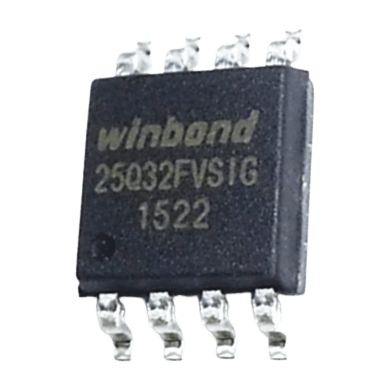
Memory
A memory IC, or integrated circuit, is a type of electronic device that stores and retrieves data. It is used in a wide range of electronic devices, including computers, smartphones, and other electronic devices. Memory ICs come in a variety of types, including DRAM, SRAM, and Flash memory, and are used for different purposes depending on the device and application. One of the primary use cases for memory ICs is in computer systems, where they are used to store data and instructions that are accessed by the processor. Memory ICs are also used in a variety of other electronic devices, such as digital cameras, MP3 players, and mobile phones, to store data and enable various functions. Flux.ai has the world's largest community-driven public library of memory ICs, with a wide variety of footprints, symbols, datasheets, and simulation models available. This extensive library allows users to easily access and use memory ICs in their projects, making it an invaluable resource for engineers and developers.