Comprehensive Test Plan Development
Thought for 6 sec
I’ll inspect the project structure and create a comprehensive test plan document covering electrical, thermal, mechanical, environmental, interface, automation, risks, and reliability recommendations.
Worked for 44 sec
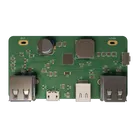
I found no existing project files, so I’m drafting a new test plan grounded in the BOM: IP5328P power-bank SoC, USB-C, Micro-USB, dual USB-A outputs, LEDs, button, NTC, MOSFETs, inductor, and bulk/input/output capacitors.
Worked for 2 mins 12 sec
Created and verified the comprehensive test plan: Comprehensive Test Plan — Powerbank board rnjs. It covers scope, objectives, functional/non-functional requirements, electrical/thermal/mechanical/environmental/interface tests, automation strategy, edge cases, risks, and reliability recommendations.
Open items:
- Final numeric pass/fail limits still need the locked battery specification, rated PD/fast-charge profiles, and final IP5328P operating targets.
Suggested next steps:
- Define the exact battery pack and rated output/input profiles.
- Add test pads for the key rails and status/control nets.
- Run ERC/DRC and update the plan with any design-specific issues found.
- Create a production test fixture checklist from this plan.
Review, pads and budget
Run design review
Suggest test pads
Create power budget
Explain PD testing