LEDs
A LED (light-emitting diode) is a small, energy-efficient light source that is commonly used in a variety of applications. LED technology has advanced significantly in recent years, making it a popular choice for a wide range of lighting needs. LEDs are known for their low power consumption, long lifespan, and ability to produce a bright, directional light. One of the primary use cases for LEDs is in general lighting, where they are used in everything from residential and commercial lighting to automotive and aviation lighting. LEDs are also commonly used in electronic displays, such as TVs, computer monitors, and smartphones, as well as in signaling and indication applications, such as traffic lights and exit signs. If you are looking for high-quality LED resources, flux.ai has the world's largest community-driven public library of LED footprints, symbols, datasheets, and simulation models. Whether you are a designer, engineer, or manufacturer, you can find the resources you need to work with LEDs in your projects.
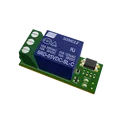
5V Relay Modular with Status Indicator
5V relay re-usable, modular, a sub-layout. This project is a dedicated design for a compact and reliable 5V relay module engineered to safely switch higher-power loads using a logic-level 5V control input. It features robust electrical performance with an integrated optoisolator that provides essential isolation and protection between control circuitry and the relay output, ensuring enhanced stability and reduced electrical noise. The design includes user-friendly terminals and status indicator LEDs for real-time feedback, making it ideal for seamless integration with microcontrollers in automation, control systems, and various embedded applications. Optimized for manufacturing-ready PCB layouts, this reliable module is perfect for prototyping and production in modern electronics projects. #5Vrelay #relaymodule #electronics #PCBdesign #automation #embeddedprojects #module #sublayout
197 Uses0 Stars