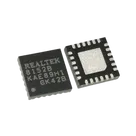
The RTL8152B-VB-CG specification defines the engineering requirements for a USB-to-Ethernet controller integrated circuit designed to provide high-speed network connectivity for embedded systems and computer peripherals. This specification establishes the functional, electrical, mechanical, environmental, and quality requirements necessary to ensure reliable data communication, efficient protocol handling, and long-term operational stability.
The device is intended for use in USB Ethernet adapters, embedded networking equipment, industrial control systems, docking stations, communication gateways, and other applications requiring seamless conversion between USB and Ethernet interfaces. It supports stable network connectivity while providing efficient data transfer, low power consumption, and compatibility with standard networking protocols.
Engineering Requirements
The controller shall be manufactured using qualified semiconductor fabrication processes and high-quality materials to ensure consistent electrical performance, robust communication capability, and long service life. The device shall maintain reliable operation under specified voltage, temperature, and environmental conditions without degradation of functionality.
Electrical characteristics shall provide stable USB and Ethernet interface operation, reliable signal integrity, and efficient data transfer under continuous network traffic and varying system loads. The controller shall maintain dependable communication performance during power transitions, initialization, and sustained operation.
The integrated communication architecture shall support reliable protocol processing, packet transmission, and network interface management while minimizing latency and maximizing data throughput. The device shall maintain compatibility with standard Ethernet and USB communication requirements within its intended operating environment.
Mechanical construction shall be suitable for automated surface-mount assembly and compatible with standard solder reflow manufacturing processes. The package shall withstand thermal cycling, vibration, mechanical handling, and environmental exposure without degradation of electrical or mechanical integrity. Workmanship shall be free from defects including contamination, package cracking, bond failures, or structural inconsistencies.
Inspection, validation, and testing shall be performed using calibrated equipment and controlled quality procedures to verify compliance with applicable engineering and manufacturing requirements. Any deviation from this specification shall require formal engineering evaluation, documented technical justification, and approval through the established engineering change control process.
Documentation
Supporting documentation shall include engineering drawings, electrical specifications, communication interface documentation, qualification reports, inspection records, reliability data, material declarations, and revision-controlled manufacturing documentation. All documentation shall be maintained under formal configuration management and quality assurance systems to ensure complete product traceability.
Revision Control
Any modification to this specification shall be managed through the formal engineering change management process. All revisions shall undergo technical review, validation, and approval before implementation to ensure continued compliance with design intent and applicable engineering standards.