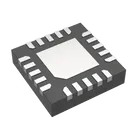
Touchscreen Controller 2 Wire Capacitive I2C Interface 20-VQFN (3x3)
The MTCH2120-V/REB specification defines the engineering requirements for a capacitive touch sensing controller integrated circuit designed for human-machine interface applications in embedded electronic systems. This specification establishes the functional, electrical, mechanical, environmental, and quality requirements necessary to ensure accurate touch detection, stable system performance, and reliable operation across consumer, industrial, and embedded environments.
The device is intended for use in applications requiring touch-based user input such as control panels, interface buttons, and capacitive sensing surfaces. It provides robust sensing performance with immunity to noise and environmental variation, enabling reliable detection of touch events in compact and low-power electronic designs.
Engineering Requirements
The integrated circuit shall be manufactured using qualified semiconductor fabrication processes to ensure consistent sensing performance, low power consumption, and long-term operational stability. The device shall support reliable capacitive touch detection under defined electrical and environmental conditions without degradation of sensitivity or accuracy.
The sensing architecture shall provide stable touch event detection with immunity to electrical noise, environmental interference, and parasitic capacitance variations. The system shall maintain consistent performance across intended operating conditions including temperature variation and supply voltage fluctuation.
Electrical characteristics shall ensure stable digital communication, accurate sensing response, and reliable operation during startup, normal operation, and power transitions. The device shall maintain functional integrity during dynamic system conditions without false triggering or loss of sensitivity.
Mechanical and package construction shall be suitable for surface-mount assembly and shall ensure robustness during soldering, handling, and long-term operation. Workmanship shall be free from defects such as contamination, cracks, bonding issues, or structural inconsistencies that could impact electrical or mechanical reliability.
Inspection, validation, and testing shall be performed using controlled procedures and calibrated equipment to ensure compliance with all applicable engineering and quality requirements. Any deviation from this specification shall require formal engineering review, documented justification, and approval through established change control processes.
Documentation
Supporting documentation shall include official datasheets, reference design materials, electrical characterization reports, qualification data, inspection records, and revision-controlled manufacturing documentation. All documentation shall be maintained under formal configuration management and quality assurance systems to ensure traceability and consistency.
Revision Control
All modifications to this specification shall be managed through formal engineering change control procedures. Each revision shall undergo technical evaluation, validation, and approval prior to implementation to ensure continued compliance with design intent and applicable standards.