adrian95 / ESP32-S3FN8

Loaded

0

0

Files

Schematic

PCB

Log InSign Up

Pin Function Grouping

flux

0:59

Organizing project tasks.

Analyzing the schematic.

Organizing terminal information.

Drafting a terminal plan.

Yes — for this part, I’d group the pins into functional sections like this. The section names follow the standard IC pin-classification scheme of Power, Ground, GPIO, Communication, Clock, Control, and Debug

Suggested sections for the ESP32-S3FN8


SectionPins
PowerVDD3P3, VDD3P3, CHIP_PU (often treated separately as Control, see note below), VDD3P3_RTC, VDD_SPI, VDD3P3_CPU, VDDA1, VDDA2
GroundGND
GPIOGPIO0, GPIO1, GPIO2, GPIO3, GPIO4, GPIO5, GPIO6, GPIO7, GPIO8, GPIO9, GPIO10, GPIO11, GPIO12, GPIO13, GPIO14, GPIO17, GPIO18, GPIO19, GPIO20, GPIO21, GPIO33, GPIO34, GPIO35, GPIO36, GPIO37, GPIO38, GPIO45, GPIO46
CommunicationU0TXD, U0RXD, SPIHD, SPIWP, SPICS0, SPICS1, SPICLK, SPICLK_P, SPICLK_N, SPID, SPIQ
ClockXTAL_P, XTAL_N, XTAL_32K_P, XTAL_32K_N
ControlCHIP_PU
DebugMTDI, MTDO, MTCK, MTMS
RF / Analog-specialLNA_IN
Notes
  • I would put CHIP_PU in Control, not Power, because it’s an enable/reset-style control signal even though it relates to power-up behavior. The classification guidance explicitly reserves Control for reset/enable/boot pins
  • I’d keep LNA_IN separate as RF or fold it into Analog if you want to stay within the standard section set.
  • If you want fewer sub-symbols, you can merge Communication + Debug into one block, and RF + Clock into another. For large ICs, dedicated sub-symbols like Power, Communication, Clock, Control, and Debug are recommended for readability
My recommendation for Flux properties
If you want clean symbol organization, I’d use:
  • Section = Power for all VDD/VDDA/VDD_SPI pins
  • Section = Ground for GND
  • Section = GPIO for all GPIOx
  • Section = Communication for UART/SPI pins
  • Section = Clock for XTAL pins
  • Section = Control for CHIP_PU
  • Section = Debug for MTDI/MTDO/MTCK/MTMS
If you want, I can next turn this into an exact pin-by-pin Section + Pin Group + Sub-symbol mapping.
Group pins by function
Add USB separately
Use datasheet names
16 days

​
Sign up to send

To get started, talk to Flux or create a New Document.

Reviews

Documents

    Documents are markdown text files which describe project goals, capture details, or even simulation outputs.

    Assets

    image-removebg-preview.png

    image-removebg-preview.png

    image-removebg-previewThumbnail
    kicad_mod

    QFN40P700X700X90-57N.kicad_mod

    FP_QFN40P700X700X90-57NFootprint
    stp

    ESP32-S3FN8.stp

    3D_ESP32-S3FN83D Model

    ESP32-S3FN8

    ESP32-S3FN8 thumbnail
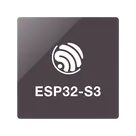
    SMD IC , Dual-Core MCU, Wi-Fi 2.4G & BLE 5.0 combo, 8 MB Octal SPI PSRAM, QFN 56-pin, 7*7 mm The ESP32-S3FN8 is a highly integrated microcontroller from Espressif, designed for WiFi + Bluetooth applications, with strong support for AI, IoT, and embedded systems. It belongs to the ESP32-S3 series and includes embedded flash memory (8 MB) inside the chip package. Dual-core processor Xtensa® 32-bit LX7 CPUs Up to 240 MHz Includes vector instructions for AI / signal processing Integrated Wireless Connectivity 2.4 GHz WiFi (802.11 b/g/n) Bluetooth 5 (LE) support Embedded Flash 8 MB internal flash (FN8 variant) Reduces need for external memory SRAM + ROM for program execution Supports external PSRAM (depending on design) Optimized for: Edge AI (face detection, voice recognition) DSP applications GPIO (multi-function) SPI, I2C, I2S UART PWM ADC / DAC USB OTG (Full Speed) ← key feature Camera interface (DVP) LCD interface #commonpartslibrary #integratedcircuit #mcu #esp32

    Properties

    Integrated Circuit

    Espressif Systems

    ESP32-S3FN8

    documentation.espressif.com/esp32-s3_datasheet_en.pdf

    U

    creativecommons.org/licenses/by/4.0/

    parametric-v1

    Pricing & Availability

    Distributor

    Qty 1

    Controls

    Welcome 👋

    Flux accelerates your PCB design with AI.

    Create your account to start using this component and bring your ideas to life.
        Introducing AI Placement!
        AI Placement Demo

        AI-Powered Component Placement

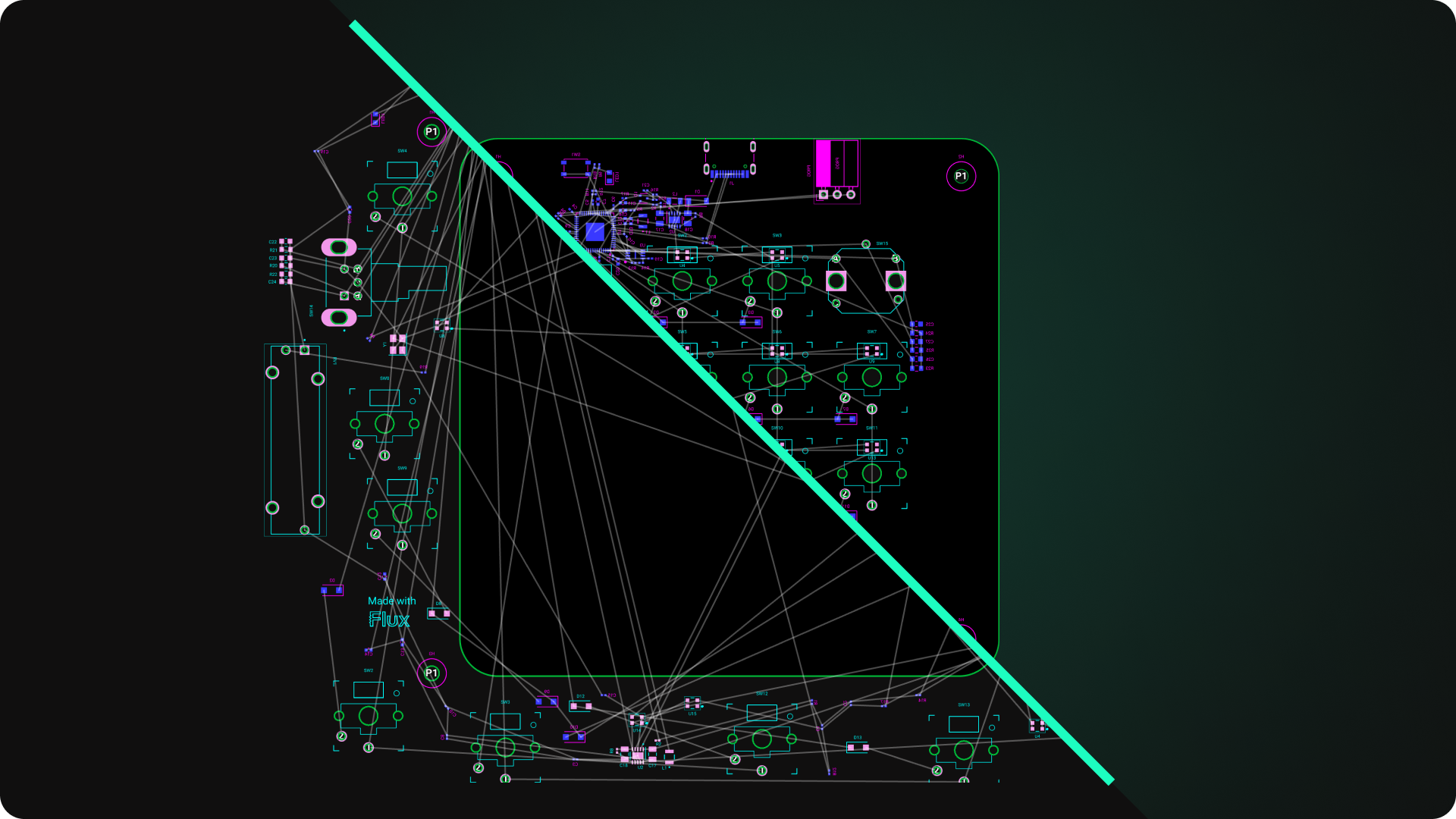
        Let AI place your components intelligently. AI Placement analyzes your schematic and positions components for optimal routing, signal integrity, and board density.

        From Schematic to Layout in Seconds

        Skip the tedious manual placement. AI Placement generates a starting layout you can refine, saving hours of repetitive work on every new design.

        Works With Auto-Layout

        Pair AI Placement with Auto-Layout for a complete AI-driven PCB design flow — from component placement through trace routing, all with one click.

        Try it