LEDs
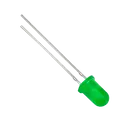
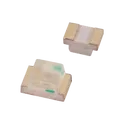
A LED (light-emitting diode) is a small, energy-efficient light source that is commonly used in a variety of applications. LED technology has advanced significantly in recent years, making it a popular choice for a wide range of lighting needs. LEDs are known for their low power consumption, long lifespan, and ability to produce a bright, directional light. One of the primary use cases for LEDs is in general lighting, where they are used in everything from residential and commercial lighting to automotive and aviation lighting. LEDs are also commonly used in electronic displays, such as TVs, computer monitors, and smartphones, as well as in signaling and indication applications, such as traffic lights and exit signs. If you are looking for high-quality LED resources, flux.ai has the world's largest community-driven public library of LED footprints, symbols, datasheets, and simulation models. Whether you are a designer, engineer, or manufacturer, you can find the resources you need to work with LEDs in your projects.
Arduino Nano Barebones - SMD
SMD Manufacturing: Need a hotplate and solderpaste Good to haves: - Oscillator Decoupling Caps Expose UART via connector Programming Button Onboard LED Reset Button You don't have to populate everything! Only these are mandatory: Reset Button Find the reference schematic here: https://www.arduino.cc/en/uploads/Main/ArduinoNano30Schematic.pdf
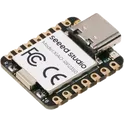
1.8k Uses6 StarsSeeed Studio XIAO RP2350
The XIAO RP2350 packs the power of the Raspberry Pi RP2350 (switchable architecture of dual Arm Cortex-M33 cores running at 150MHz with FPU, and dual open-hardware Hazard3 RISC‑V cores, enhanced security and encryption) into the classic XIAO form factor. Measuring just 21x17.5mm, it features 19 multifunction GPIOs, an RGB LED, and a Battery Management System with ultra-low power consumption of 27μA, battery power supply, and direct battery voltage measurement. Thanks to the XIAO ecosystem, the XIAO RP2350 is compatible with a wide range of add-ons, including displays, LED matrix, Grove modules, CAN Bus, Vision AI sensors, and mmWave sensors. With native support for MicroPython, C, and C++, the XIAO RP2350 is perfect for developers of all levels looking to create compact, battery-powered applications for smart control, wearables, DIY keyboards, and more.
32 Uses5 Stars


Page 1 of 292
Next