LEDs
A LED (light-emitting diode) is a small, energy-efficient light source that is commonly used in a variety of applications. LED technology has advanced significantly in recent years, making it a popular choice for a wide range of lighting needs. LEDs are known for their low power consumption, long lifespan, and ability to produce a bright, directional light. One of the primary use cases for LEDs is in general lighting, where they are used in everything from residential and commercial lighting to automotive and aviation lighting. LEDs are also commonly used in electronic displays, such as TVs, computer monitors, and smartphones, as well as in signaling and indication applications, such as traffic lights and exit signs. If you are looking for high-quality LED resources, flux.ai has the world's largest community-driven public library of LED footprints, symbols, datasheets, and simulation models. Whether you are a designer, engineer, or manufacturer, you can find the resources you need to work with LEDs in your projects.
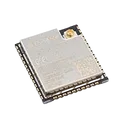
ESP32-WROOM-32UE-N16
2.4GHz -98dBm SMD,19.2x18mm RF Transceiver Modules and Modems RoHS The ESP32-WROOM-32UE-N16 is a 2.4 GHz wireless MCU module built around the ESP32 SoC. It combines a dual-core processor, integrated Wi-Fi (802.11 b/g/n) and Bluetooth 4.2 (Classic + BLE), along with rich peripherals. The “UE” variant specifically uses a U.FL / IPEX connector for an external antenna, making it ideal for applications that require better RF performance or flexible antenna placement (e.g., enclosed products or long-range communication). The “N16” indicates 16 MB external flash memory, suitable for large firmware, OTA updates, and data-heavy applications. Processing Dual-core Xtensa LX6 32-bit CPU Clock speed up to 240 MHz Memory 16 MB Flash (N16 variant) ~520 KB SRAM + 448 KB ROM Connectivity Wi-Fi: 802.11 b/g/n (up to 150 Mbps) Bluetooth: v4.2 (BR/EDR + BLE) Frequency: 2.4 GHz band Antenna External antenna via U.FL connector Better range and flexibility vs PCB antenna Interfaces / Peripherals GPIO (≈26 usable pins) UART, SPI, I2C, I2S, SDIO ADC, DAC PWM (LED & motor control) Capacitive touch sensing Security Hardware encryption: AES, SHA, RSA Secure boot & flash encryption support Power Operating voltage: 3.0V – 3.6V (typ. 3.3V) Multiple low-power modes for battery applications Environmental Operating temperature: -40°C to +85°C Physical Surface-mount module (~38 pins / 52 pads depending on reference) Compact and RF-shielded design Typical Applications Smart home devices (IoT) Industrial automation Wireless sensors and data loggers Wearables and consumer electronics Remote monitoring systems #Module #ESP32
51 Uses0 Stars