Generic Capacitor
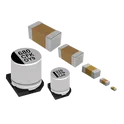
A generic fixed capacitor ideal for rapid circuit topology development. You can choose between polarized and non-polarized types, its symbol and the footprint will automatically adapt based on your selection. Supported options include standard SMD sizes for ceramic capacitors (e.g., 0402, 0603, 0805), SMD sizes for aluminum electrolytic capacitors, and through-hole footprints for polarized capacitors. Save precious design time by seamlessly add more information to this part (value, footprint, etc.) as it becomes available. Standard capacitor values: 1.0pF, 10pF, 100pF, 1000pF, 0.01uF, 0.1uF, 1.0uF, 10uF, 100uF, 1000uF, 10000uF 1.1pF, 11pF, 110pF, 1100pF 1.2pF, 12pF, 120pF, 1200pF 1.3pF, 13pF, 130pF, 1300pF 1.5pF, 15pF, 150pF, 1500pF, 0.015uF, 0.15uF, 1.5uF, 15uF, 150uF, 1500uF 1.6pF, 16pF, 160pF, 1600pF 1.8pF, 18pF, 180pF, 1800pF 2.0pF, 20pF, 200pF, 2000pF 2.2pF, 22pF, 220pF, 2200pF, 0.022uF, 0.22uF, 2.2uF, 22uF, 220uF, 2200uF 2.4pF, 24pF, 240pF, 2400pF 2.7pF, 27pF, 270pF, 2700pF 3.0pF, 30pF, 300pF, 3000pF 3.3pF, 33pF, 330pF, 3300pF, 0.033uF, 0.33uF, 3.3uF, 33uF, 330uF, 3300uF 3.6pF, 36pF, 360pF, 3600pF 3.9pF, 39pF, 390pF, 3900pF 4.3pF, 43pF, 430pF, 4300pF 4.7pF, 47pF, 470pF, 4700pF, 0.047uF, 0.47uF, 4.7uF, 47uF, 470uF, 4700uF 5.1pF, 51pF, 510pF, 5100pF 5.6pF, 56pF, 560pF, 5600pF 6.2pF, 62pF, 620pF, 6200pF 6.8pF, 68pF, 680pF, 6800pF, 0.068uF, 0.68uF, 6.8uF, 68uF, 680uF, 6800uF 7.5pF, 75pF, 750pF, 7500pF 8.2pF, 82pF, 820pF, 8200pF 9.1pF, 91pF, 910pF, 9100pF #generics #CommonPartsLibrary... show more1.5M Uses
184 Stars
UJ20-C-H-G-SMT-2-P16-TR
USB Type-C USB 2.0 Receptacle Connector – Right-angle USB Type-C receptacle designed for consumer electronics, industrial controllers, IoT devices, embedded systems, charging equipment, portable products, and USB-enabled communication interfaces. The Same Sky (formerly CUI Devices) UJ20-C-H-G-SMT-2-P16-TR features a 24-contact (16 active + 8 dummy) USB Type-C interface supporting USB 2.0 data rates up to 480 Mbps. It is rated for 48 VDC, with 5 A on VBUS power contacts, 1.25 A on VCONN contacts, and 0.25 A on signal contacts. Designed with a surface-mount, right-angle configuration plus through-hole retention tabs, it provides enhanced mechanical strength for repeated cable insertion. Features include gold-plated contacts, shielded steel shell (SUS304), UL94 V-0 housing, 10,000 mating cycles, and an operating temperature range of −25°C to +85°C, making it ideal for reliable power and data connectivity in compact embedded designs. #SameSky #UJ20CHGSMT2P16TR #USBTypeC #USB20 #USBConnector #TypeCReceptacle #BoardToCable #SurfaceMountConnector #EmbeddedSystems #IndustrialElectronics #IoT #ConsumerElectronics... show more1.6k Uses
0 Stars
TPS62130ARGTR
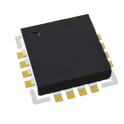
The TPS6213x series, manufactured by Texas Instruments, includes highly efficient, easy-to-use synchronous step-down DC-DC converters optimized for applications requiring high power density. These converters operate within a wide input voltage range from 3 V to 17 V and are capable of delivering up to 3 A of continuous output current. The series comprises multiple part numbers, namely TPS62130, TPS62130A, TPS62131, TPS62132, and TPS62133, each offering unique output configurations—adjustable outputs for TPS62130 and TPS62130A, and fixed outputs of 1.8 V, 3.3 V, and 5.0 V for TPS62131, TPS62132, and TPS62133 respectively. Key features of the TPS6213x series include the advanced DCS-Control™ topology for improved transient response and high output voltage accuracy, a programmable soft start, seamless transition to power save mode, and selectable operating frequency (either 1.25 MHz or 2.5 MHz). The device also encapsulates robust protection mechanisms such as short circuit and overtemperature protection. Housed in a compact 3-mm x 3-mm QFN-16 package, the IC includes additional functions like a power-good output and 100% duty cycle mode for low dropout conditions. With a highly integrated design that requires minimal external components, the TPS6213x series is ideal for step-down regulation in various applications including standard 12-V rail supplies, POL supplies, embedded systems, and portable devices.... show more6.2k Uses
1 Star
Arduino Uno R3 Shield Template
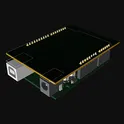
Template for Arduino Uno R3 Shield. Include an official pinout so you will always know Arduino names, the alternative roles of pins, which one is SDA, or SCL, etc. On PCB you can find the 3D model of the Arduino Uno R3 itself along with the board outline on the silkscreen. #Arduino #Uno #Shield #Template #project-template #project... show more18.8k Uses
90 Stars
CSS4J-4026R-L500F
0.5 mOhms ±1% 5W Chip Resistor Nonstandard Automotive AEC-Q200, Current Sense Metal Element # Engineering Specification ## Product Name CSS4J-4026R-L500F ## General Description CSS4J-4026R-L500F is a precision four-terminal Kelvin current sense shunt resistor designed for accurate current measurement in high-performance electronic and power management systems. The device is intended for use in applications requiring low resistance sensing, high measurement accuracy, and stable thermal performance under varying electrical loads. The component utilizes a metal element resistive structure optimized for minimal resistance drift, reduced temperature effects, and consistent long-term stability. Its four-terminal Kelvin configuration separates current flow and voltage sensing paths, enabling improved measurement accuracy by eliminating errors caused by PCB trace and connection resistance. The device is widely used in power conversion systems, battery monitoring systems, motor control circuits, and industrial power electronics where precise current feedback is essential for control, protection, and monitoring functions. Its surface-mount construction supports compact PCB layouts and automated assembly processes while maintaining robust mechanical and electrical reliability. The design emphasizes efficient heat dissipation, stable electrical characteristics, and compatibility with demanding industrial and automotive environments. It is suitable for integration into systems requiring continuous current monitoring and high measurement fidelity. ## Functional Requirements ### Current Measurement The device shall provide accurate current sensing through a low-resistance conductive path designed for minimal measurement error. ### Kelvin Sensing Operation The device shall support four-terminal Kelvin sensing to improve measurement accuracy by separating current and voltage sensing paths. ### Signal Stability The device shall maintain stable sensing characteristics under varying load and thermal conditions. ### System Integration The component shall support integration into power electronics and embedded control systems requiring precise current feedback. ## Electrical Requirements ### Low Resistance Operation The device shall exhibit very low resistance to minimize power loss and maintain measurement accuracy. ### Thermal Stability The resistor shall maintain consistent electrical behavior under elevated operating temperatures and thermal cycling conditions. ### Power Handling The device shall support operation in high-current environments typical of power conversion and motor control systems. ### Measurement Accuracy The design shall support precise voltage drop measurement proportional to current flow for control and monitoring applications. ## Mechanical Requirements ### Surface Mount Construction The device shall be provided in a surface mount package suitable for automated PCB assembly. ### Structural Integrity The component shall maintain mechanical stability during assembly, operation, and thermal cycling. ### PCB Integration The device shall support direct integration into multilayer printed circuit board designs with optimized current path layout. ## Environmental Requirements ### Operating Conditions The device shall operate reliably under industrial and automotive environmental conditions. ### Thermal Performance The component shall maintain performance stability under continuous electrical loading and heat generation. ### Storage and Handling The device shall maintain physical and electrical integrity during storage, transport, and handling procedures. ## Quality Requirements ### Reliability The device shall provide long-term stability in resistance value and sensing accuracy under continuous operation. ### Verification Electrical, thermal, and mechanical characteristics shall be validated through appropriate testing and qualification procedures. ### Compliance The product shall conform to applicable standards for current sensing resistors used in industrial and automotive electronics. ## Documentation Requirements Technical documentation shall include application guidelines, layout recommendations for Kelvin sensing, thermal considerations, electrical characteristics, and integration practices for power electronics systems. ## Classification Tags #CSS4J4026RL500F #CurrentSenseResistor #ShuntResistor #KelvinSensing #FourTerminalResistor #PowerElectronics #BatteryManagement #MotorControl #PowerSupplyDesign #AnalogSensing #ElectricalEngineering #PCBDesign #EmbeddedSystems #IndustrialElectronics #AutomotiveElectronics #CommonPartsLibrary #ComponentLibrary #EngineeringSpecification #TechnicalDocumentation #HighCurrentSensing #PrecisionMeasurement #CircuitDesign... show more205 Uses
0 Stars
SRP4020TA-4R7M
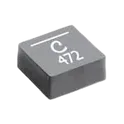
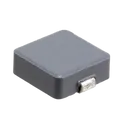
4.7 µH Shielded Drum Core, Wirewound Inductor 2.6 A 105mOhm Max 2-SMD The SRP4020TA-4R7M is a compact surface-mount power inductor designed for use in high-efficiency power conversion and energy storage applications. It is optimized for switching regulators, DC-DC converters, and filtering circuits where stable inductance, low core loss, and reliable current handling are required. The device features a magnetically shielded construction that minimizes electromagnetic interference, making it suitable for densely populated electronic assemblies. Its robust design supports consistent performance across a wide range of operating conditions, contributing to improved system efficiency and reduced noise. Construction and Materials The component is manufactured using a ferrite core with integrated winding, enclosed in a molded structure that provides mechanical stability and environmental protection. The shielding structure reduces flux leakage and enhances electromagnetic compatibility. External terminations are designed for reliable solderability and strong adhesion to standard printed circuit board pads. Electrical Characteristics The inductor provides a nominal inductance corresponding to its designation and maintains stability under rated operating conditions. It exhibits low direct current resistance to minimize conduction losses and supports moderate to high current levels without significant saturation. The component is engineered to maintain performance over variations in temperature and frequency typical of switching power applications. Thermal Performance The device is capable of operating within standard industrial temperature ranges, with thermal characteristics that support efficient heat dissipation through the PCB. Its construction helps maintain inductance stability and prevents degradation under thermal stress. Mechanical Characteristics The package is a low-profile, surface-mount form factor suitable for automated assembly. The compact footprint enables use in space-constrained designs, while the structure ensures durability during handling and reflow soldering processes. Applications Typical applications include step-down and step-up voltage regulators, power management modules, portable electronics, telecommunications equipment, and general-purpose filtering where compact size and efficient performance are critical. Reliability and Compliance The component is designed to meet common industry reliability standards for surface-mount passive devices. It is compatible with standard reflow soldering processes and is typically compliant with environmental regulations governing hazardous substances. #commonpartslibrary #inductor... show more167 Uses
0 Stars
XFL4015-471MEC
470 nH Shielded Molded Inductor 9.1 A 8.36mOhm Max 1616 (4040 Metric) The XFL4015-471MEC specification establishes the engineering requirements for the designated electronic component, defining its intended functionality, mechanical characteristics, electrical performance, material requirements, manufacturing quality, and inspection criteria. This specification serves as the primary technical reference to ensure the component consistently meets design expectations, operational reliability, and applicable industry standards throughout production and field use. Engineering Requirements The component shall be manufactured using approved materials and controlled production processes to ensure consistent electrical and mechanical performance. All dimensions, tolerances, and physical characteristics shall conform to the latest approved engineering documentation. The component shall be suitable for its intended operating environment and shall maintain performance within the specified electrical and environmental conditions. Workmanship shall be free from defects including cracks, contamination, corrosion, deformation, or any condition that could adversely affect reliability or functionality. All manufacturing and inspection processes shall be performed using calibrated equipment and verified in accordance with established quality management procedures. Testing and validation shall confirm compliance with electrical, mechanical, and environmental performance requirements prior to product acceptance. Any deviation from this specification shall require formal engineering review, documented approval, and appropriate revision control before implementation. Documentation Supporting documentation shall include engineering drawings, material certifications, inspection reports, test records, process documentation, and revision-controlled manufacturing specifications. All documentation shall be maintained in accordance with the organization's quality management and document control requirements. Revision Control Changes to this specification shall be managed through the approved engineering change process to ensure traceability, technical accuracy, and continued compliance with applicable design and quality requirements. #EngineeringSpecification #TechnicalSpecification #ElectronicComponents #ElectricalEngineering #QualityControl #Manufacturing #EngineeringDocumentation #Compliance... show more109 Uses
0 Stars
2601-1102
2 Position Wire to Board Terminal Block Horizontal with Board 0.138" (3.50mm) Through Hole The 2601-1102 specification defines the engineering requirements for a generic electronic or electromechanical component intended for integration into controlled system assemblies. This specification establishes the functional, mechanical, electrical, environmental, and quality expectations required to ensure consistent performance, reliability, and manufacturability across its intended applications. The component is designed for use in systems requiring stable operation, predictable behavior, and compatibility with standard manufacturing and assembly processes. It shall be suitable for integration into electronic or mechanical subsystems where long-term durability, consistent quality, and dependable operation are required. Engineering Requirements The component shall be manufactured using qualified materials and controlled production processes to ensure uniform performance and structural integrity. All construction methods shall support repeatability, stability, and compliance with established engineering intent. Electrical or functional characteristics shall remain stable under intended operating conditions and environmental exposure. The component shall maintain reliable operation during normal use, handling, and system integration without degradation of performance. Mechanical construction shall ensure durability and proper fit within the intended assembly environment. The component shall resist deformation, contamination, corrosion, and other defects that could compromise functionality or service life. Workmanship shall be free from visible or functional defects that may affect performance or reliability. All manufacturing and inspection activities shall be performed under controlled quality systems using calibrated methods to ensure compliance with engineering requirements. Any deviation from this specification shall require formal engineering evaluation, documented justification, and approval through established change control procedures prior to implementation. Documentation Supporting documentation shall include engineering drawings, material declarations, inspection records, qualification data, manufacturing instructions, and revision-controlled technical files. All documentation shall be maintained under formal configuration management and quality assurance systems to ensure traceability and consistency. Revision Control All changes to this specification shall be managed through formal engineering change control procedures. Each revision shall undergo technical review, validation, and approval prior to release to ensure continued compliance with design intent and applicable requirements. #EngineeringSpecification #ElectronicComponents #ElectromechanicalSystems #Manufacturing #QualityAssurance #EngineeringDesign #ProductCompliance #ReliabilityEngineering #ConfigurationControl... show more66 Uses
0 Stars
ESP32-C6FH4
IC RF TxRx Only Bluetooth, WiFi Bluetooth v5.0, Thread, Zigbee® 2.412GHz ~ 2.484GHz 32-VFQFN Exposed Pad The ESP32-C6FH4 is a low-power, highly integrated wireless microcontroller from Espressif Systems, designed for IoT applications. It is based on a 32-bit RISC-V processor running at up to 160 MHz, providing efficient performance for embedded systems while maintaining low power consumption. This variant includes 4 MB of embedded flash memory, making it suitable for standalone applications without the need for external flash. The ESP32-C6FH4 supports multiple wireless communication protocols, including: Wi-Fi 6 (802.11ax) in the 2.4 GHz band (backward compatible with Wi-Fi 4/802.11 b/g/n) Bluetooth Low Energy (BLE 5) IEEE 802.15.4 (used for protocols like Thread and Zigbee) Key features include: Rich set of GPIO pins with support for peripherals such as UART, SPI, I2C, PWM, ADC, and more Integrated hardware security features (secure boot, flash encryption, cryptographic accelerators) Multiple low-power modes for battery-operated devices On-chip temperature sensor and RTC peripherals #commonpartslibrary #transceiver... show more58 Uses
0 Stars
LM5148RGYR
Buck Regulator Positive Output Step-Down DC-DC Controller IC 24-VQFN (3.5x5.5) The LM5148RGYR specification defines the engineering requirements for a synchronous buck controller integrated circuit designed for high-efficiency DC-DC power conversion applications. This specification establishes the functional, electrical, mechanical, thermal, environmental, and quality requirements necessary to ensure reliable voltage regulation, efficient power management, and long-term operational stability in industrial, automotive, telecommunications, and embedded electronic systems. The device is intended for use in high-performance power supply designs requiring wide input voltage capability, precise output voltage regulation, and high-current conversion efficiency. It controls external power MOSFETs to implement synchronous buck converter topologies suitable for distributed power architectures, industrial automation equipment, networking infrastructure, battery-powered systems, and embedded control applications. Engineering Requirements The controller shall be manufactured using qualified semiconductor fabrication processes and high-quality materials to ensure stable switching performance, low power consumption, and reliable long-term operation. The device shall maintain consistent functionality under specified operating voltage, temperature, and environmental conditions. Electrical characteristics shall provide accurate pulse-width modulation control, stable output voltage regulation, fast transient response, and reliable gate drive capability for external synchronous power MOSFETs. The controller shall maintain predictable switching performance during startup, shutdown, overload, and dynamic load conditions while supporting efficient power conversion. The integrated control architecture shall provide robust regulation, protection features, and compensation capability to ensure stable converter operation across varying input voltages and output load conditions. The device shall maintain operational integrity during power sequencing and fault recovery without compromising system reliability. Thermal performance shall support continuous operation within the specified junction temperature range while maintaining electrical performance and reliability. The package shall be suitable for automated surface-mount assembly and compatible with standard solder reflow manufacturing processes. Mechanical construction shall withstand thermal cycling, vibration, mechanical handling, and environmental exposure without degradation of functionality. Workmanship shall be free from defects including contamination, package cracking, bond failures, lead deformation, or structural inconsistencies that could adversely affect electrical or mechanical performance. Inspection, validation, and testing shall be performed using calibrated equipment and controlled quality procedures to verify compliance with engineering and manufacturing requirements. Any deviation from this specification shall require formal engineering evaluation, documented technical justification, and approval through the established engineering change control process before implementation. Documentation Supporting documentation shall include engineering drawings, electrical performance specifications, application guidelines, thermal characterization reports, qualification records, inspection reports, material declarations, reliability data, and revision-controlled manufacturing documentation. All documentation shall be maintained under formal configuration management and quality assurance systems to ensure complete product traceability. Revision Control Any modification to this specification shall be managed through the formal engineering change management process. All revisions shall undergo technical review, validation, and approval before release to ensure continued compliance with design intent and applicable engineering standards. #EngineeringSpecification #BuckController #DCDCConverter #PowerManagement #SynchronousBuck #PowerElectronics #EmbeddedSystems #IndustrialElectronics #QualityAssurance #EngineeringDocumentation... show more46 Uses
0 Stars
SN74LS00N
NAND Gate IC 4 Channel 14-PDIP The SNx4xx00 devices contain four independent, 2-input NAND gates. The devices perform the Boolean function Y = A .B or Y = A + B in positive logic. Features 1• Package Options Include: – Plastic Small-Outline (D, NS, PS) – Shrink Small-Outline (DB) – Ceramic Flat (W) – Ceramic Chip Carriers (FK) – Standard Plastic (N) – Ceramic (J) • Also Available as Dual 2-Input Positive-NAND Gate in Small-Outline (PS) Package • Inputs Are TTL Compliant; VIH = 2 V and VIL = 0.8 V • Inputs Can Accept 3.3-V or 2.5-V Logic Inputs • SN5400, SN54LS00, and SN54S00 are Characterized For Operation Over the Full Military Temperature Range of –55ºC to 125ºC 74LS00 #CommonPartsLibrary #IntegratedCircuit #Logic #Gate #Inverter... show more57 Uses
0 Stars
BQ24075RGTR
Charger IC Lithium Ion 16-VQFN (3x3) The BQ24075RGTR is a standalone linear charger and power-path management integrated circuit developed by Texas Instruments for single-cell lithium-ion and lithium-polymer battery applications. The device is designed for portable and space-constrained electronic systems requiring efficient battery charging, USB compatibility, and simultaneous system power delivery. The integrated dynamic power-path management architecture enables the system load to be powered while independently charging the battery. The charger supports operation from either a USB power source or an external adapter and includes programmable charging and input current limiting functions for optimized power management. The device incorporates multiple protection and monitoring features including thermal regulation, overvoltage protection, reverse current protection, battery temperature monitoring, and safety timers. The BQ24075RGTR also provides battery disconnect capability through the SYSOFF control function, making it suitable for low-power and portable embedded designs. Typical applications include portable consumer electronics, handheld instruments, wearable devices, wireless accessories, battery-powered IoT equipment, medical portable systems, and embedded rechargeable products. Device Features Standalone single-cell lithium-ion and lithium-polymer battery charger Integrated power-path management architecture Simultaneous battery charging and system power support USB-compatible input current limiting Programmable fast-charge current capability Dynamic power management for unstable or limited input sources Battery temperature monitoring through external thermistor input Integrated thermal regulation and protection mechanisms Reverse current, short-circuit, and input overvoltage protection Programmable safety timers for pre-charge and fast-charge modes Charging status and power-good indication outputs Battery disconnect functionality through SYSOFF control Compact surface-mount VQFN package implementation Electrical Characteristics Designed for single-cell lithium-ion or lithium-polymer batteries Fixed battery regulation voltage suitable for standard single-cell charging Supports USB and external adapter input operation Linear charging topology Wide operating temperature range for portable and industrial applications Programmable input current limit for USB compliance and adapter compatibility Package Information Package Type: VQFN Pin Configuration: Sixteen-pin package Mounting Style: Surface mount Package Dimensions: Compact three-millimeter square footprint Functional Overview The BQ24075RGTR manages power distribution between the external input source, the system load, and the rechargeable battery. When external power is present, the device prioritizes powering the system while charging the battery according to programmable charging parameters. Dynamic power management prevents excessive loading of weak USB or adapter sources by automatically reducing charging current when necessary. Thermal regulation circuitry continuously monitors device temperature and adjusts charging operation to maintain safe operating conditions. Additional integrated protection functions ensure reliable operation during fault conditions such as input overvoltage, battery temperature abnormalities, reverse current flow, and output short circuits. #commonpartslibrary #integratedcircuit #powermanagement... show more38 Uses
0 Stars
DAC80501MDGSR
16 Bit Digital to Analog Converter 1 10-VSSOP The DAC80501MDGSR is a high-precision, single-channel digital-to-analog converter developed by Texas Instruments for industrial, instrumentation, and embedded control applications requiring accurate voltage output generation. The device integrates a low-drift voltage reference, precision output buffer, and serial peripheral interface communication into a compact low-power solution optimized for high-resolution signal generation. Designed for applications such as programmable power supplies, process control systems, automated test equipment, and sensor calibration, the device delivers excellent linearity, low noise performance, and stable output characteristics across varying environmental conditions. The integrated architecture minimizes external component requirements while maintaining high accuracy and long-term reliability. The converter supports rail-to-rail output operation and offers flexible reference configurations to accommodate different system architectures. Its SPI-compatible digital interface enables straightforward integration with microcontrollers, processors, and FPGA-based systems. Electrical Characteristics The device operates from a single analog supply and supports precision voltage output generation with monotonic performance across the full operating range. Integrated precision reference circuitry provides low temperature drift and stable output characteristics suitable for high-accuracy measurement and control systems. Low glitch energy, low offset error, and low gain error characteristics improve output stability during code transitions. The output amplifier is capable of driving moderate capacitive loads while maintaining signal integrity and settling performance. Interface and Control Communication is implemented through a high-speed SPI-compatible serial interface supporting standard synchronous digital communication protocols. The interface allows direct programming of DAC output codes and internal configuration registers. The device supports daisy-chain capable serial communication architecture for simplified expansion in multi-device systems. Internal registers provide control of reference operation, power management, and output configuration functions. Power Management The DAC80501MDGSR incorporates low-power operating modes intended for energy-sensitive applications. Integrated power-down functionality reduces current consumption during inactive system states while preserving configuration integrity. Internal circuitry is optimized for low quiescent current operation without compromising output precision or dynamic response performance. Package Information The device is supplied in a compact VSSOP surface-mount package suitable for space-constrained industrial and embedded designs. The package configuration supports automated assembly processes and standard PCB manufacturing techniques. Typical Applications Typical applications include industrial automation, programmable voltage sources, data acquisition systems, sensor simulation, instrumentation equipment, motor control systems, and precision calibration platforms. The device is particularly suitable for systems requiring stable and repeatable analog voltage generation with minimal external circuitry. #commonpartslibrary #integratedcircuit #analog #digital #converter... show more30 Uses
0 Stars
TXU0202DTTR
Voltage Level Translator Unidirectional 1 Circuit 2 Channel 200Mbps 8-X1SON (1.95x1) The TXU0202DTTR specification defines the engineering requirements for a dual-bit voltage level translator integrated circuit designed for bidirectional logic-level conversion between digital interfaces operating at different supply voltages. This specification establishes the functional, electrical, mechanical, thermal, environmental, and quality requirements necessary to ensure reliable signal translation, high-speed communication, and long-term operational stability in embedded electronic systems. The device is intended for use in embedded controllers, microprocessor and microcontroller systems, communication interfaces, industrial automation equipment, consumer electronics, and portable devices requiring voltage compatibility between digital subsystems. It enables seamless signal transfer while preserving logic integrity, minimizing propagation delay, and supporting low-power operation in compact electronic designs. Engineering Requirements The voltage level translator shall be manufactured using qualified semiconductor fabrication processes and high-quality materials to ensure consistent electrical performance, low power consumption, and dependable long-term reliability. The device shall maintain stable operation under specified voltage, temperature, and environmental operating conditions. Electrical characteristics shall provide accurate bidirectional logic-level translation with low propagation delay, high noise immunity, and reliable input and output switching performance. The device shall maintain signal integrity during continuous operation, power sequencing, and dynamic switching conditions without introducing excessive distortion or timing errors. The integrated translation architecture shall support independent voltage domains while ensuring reliable communication between connected digital devices. The device shall maintain stable performance across varying supply voltages and logic frequencies while minimizing leakage current and preserving overall system efficiency. Thermal performance shall support continuous operation within the specified junction temperature range while maintaining electrical integrity and long-term reliability. The package shall be suitable for automated surface-mount assembly and compatible with standard solder reflow manufacturing processes. Mechanical construction shall withstand thermal cycling, vibration, mechanical handling, and environmental exposure without degradation of electrical or mechanical performance. Workmanship shall be free from defects including contamination, package cracking, bond failures, lead deformation, or structural inconsistencies that could adversely affect functionality or reliability. Inspection, validation, and testing shall be performed using calibrated equipment and controlled quality procedures to verify compliance with engineering and manufacturing requirements. Any deviation from this specification shall require formal engineering evaluation, documented technical justification, and approval through the established engineering change control process before implementation. Documentation Supporting documentation shall include engineering drawings, electrical performance specifications, timing diagrams, application guidelines, qualification reports, inspection records, reliability data, material declarations, and revision-controlled manufacturing documentation. All documentation shall be maintained under formal configuration management and quality assurance systems to ensure complete product traceability. Revision Control Any modification to this specification shall be managed through the formal engineering change management process. All revisions shall undergo technical review, validation, and approval before release to ensure continued compliance with design intent and applicable engineering standards. #EngineeringSpecification #VoltageLevelTranslator #LogicLevelShifter #DigitalInterface #EmbeddedSystems #Semiconductor #SignalIntegrity #IndustrialElectronics #QualityAssurance #EngineeringDocumentation... show more26 Uses
0 Stars
LM5010MHX/NOPB
Buck Switching Regulator IC Positive Adjustable 2.5V 1 Output 1A 14-PowerTSSOP (0.173", 4.40mm Width) The LM5010 step-down switching regulator features all the functions needed to implement a low-cost, efficient, buck bias regulator capable of supplying in excess of 1-A load current. This high-voltage regulator contains an N-Channel Buck Switch, and is available in thermally enhanced 10-pin WSON and 14-pin HTSSOP packages. The hysteretic regulation scheme requires no loop compensation, resulting in fast load transient response, and simplifies circuit implementation. The operating frequency remains constant with line and load variations due to the inverse relationship between the input voltage and the ON-time. The valley current limit detection is set at 1.25 A. Additional features include: VCC undervoltage lockout, thermal shutdown, gate drive undervoltage lockout, and maximum duty cycle limiter Features 1• Input Voltage Range: 8 V to 75 V • Valley Current Limit At 1.25 A • Switching Frequency Can Exceed 1 MHz • Integrated N-Channel Buck Switch • Integrated Start-Up Regulator • No Loop Compensation Required • Ultra-Fast Transient Response • Operating Frequency Remains Constant With Load and Line Variations • Maximum Duty Cycle Limited During Start-Up • Adjustable Output Voltage • Precision 2.5-V Feedback Reference • Thermal Shutdown • Exposed Thermal Pad for Improved Heat Dissipation 2 Applications • High Efficiency Point-of-Load (POL) Regulator • Non-Isolated Telecommunications Buck Regulator • Secondary High Voltage Post Regulator • Automotive Systems #TexasInstruments #LM5010MHXNOPB #BuckRegulator #DCDCConverter #SwitchingRegulator #PowerManagement #HighVoltage #StepDownConverter #IndustrialElectronics #EmbeddedSystems #PowerSupplyDesign #HTSSOP14 #PMIC #ElectronicsDesign #VoltageRegulator... show more20 Uses
0 Stars
S32K358GHT1MJBST
ARM® Cortex®-M7 S32K3 Microcontroller IC 32-Bit Tri-Core 240MHz 8MB (8M x 8) FLASH 289-LFBGA (14x14) ## Engineering Specification ## General Description The **S32K358GHT1MJBST** is an NXP Semiconductors **S32K3 series automotive microcontroller** designed for high-performance embedded control applications in automotive, industrial, and electrically harsh environments. It is built around an **Arm Cortex-M7 architecture** and provides high processing capability, large embedded flash memory, automotive-grade qualification, security support, and a broad set of communication interfaces. The device is suitable for body control, gateway systems, vehicle networking, motor control, domain control, safety-related embedded systems, and general-purpose automotive electronic control units. ## Device Identification Manufacturer Part Number: **S32K358GHT1MJBST** Manufacturer: **NXP Semiconductors** Product Family: **S32K3** Device Category: **Integrated Circuit** Device Type: **Automotive Microcontroller** Core Architecture: **Arm Cortex-M7** Processing Class: **Thirty-Two-Bit MCU** Qualification: **Automotive Grade, AEC-Q100** ## Functional Description The device functions as a high-performance automotive microcontroller for embedded control and communication systems. It provides processing resources for real-time control, communication management, diagnostics, security handling, and system-level application logic. The microcontroller is designed for scalable automotive platforms where software reuse, safety capability, and peripheral integration are important. ## Core and Processing Description The **S32K358GHT1MJBST** uses an Arm Cortex-M7 based processing architecture with tri-core capability and high-speed operation. The core architecture supports digital signal processing, floating-point operation, interrupt handling, and real-time embedded software execution. This makes the device suitable for control systems that require strong computing performance and deterministic response. ## Memory Description The device includes large embedded flash memory for application firmware storage and integrated RAM for runtime operation, data buffering, communication stacks, and control algorithms. The memory architecture is suitable for complex embedded applications requiring large program space, diagnostics, bootloader support, and over-the-air update capability. ## Security and Safety Description The microcontroller includes hardware security support through **HSE-B security** and is intended for automotive applications where secure boot, cryptographic services, protected firmware operation, and system integrity are important. The S32K3 family also supports automotive safety-oriented development through features such as error correction, monitoring, and diagnostic capability. ## Communication and Interface Description The device supports multiple embedded communication interfaces suitable for vehicle and industrial networks. Supported interface types include CAN, Ethernet, I²C, SPI, UART, LIN, QSPI, SAI, SENT, and FlexIO. These interfaces allow the device to communicate with sensors, actuators, transceivers, memory devices, network controllers, and other electronic control units. ## Analog and Peripheral Description The microcontroller includes analog-to-digital conversion capability, timers, watchdog functions, direct memory access, serial audio support, and general-purpose input and output resources. These peripherals support sensing, control, timing, supervision, communication, and system management functions in embedded hardware designs. ## Electrical Description The device is designed for automotive low-voltage operation and supports use across a wide supply voltage range. It is intended for applications requiring reliable operation in automotive and industrial temperature environments. Proper power supply design, decoupling, reset control, clock configuration, and grounding should follow the manufacturer’s hardware design recommendations. ## Package and Mechanical Description The **S32K358GHT1MJBST** is supplied in a **surface-mount LFBGA package** with a compact ball-grid-array footprint. The package is intended for dense printed circuit board layouts requiring careful routing, controlled assembly process, thermal management, and proper solder joint reliability. ## Mounting and Assembly Description The component is intended for automated surface-mount PCB assembly using BGA-compatible manufacturing processes. PCB layout should follow the recommended footprint, ball escape routing, power-plane design, decoupling capacitor placement, thermal design, and inspection requirements for high-density automotive microcontroller assemblies. ## Application Suitability The device is suitable for automotive electronic control units, body control modules, gateway controllers, vehicle networking systems, motor control platforms, battery-related control systems, industrial controllers, safety-oriented embedded systems, and high-performance general-purpose control applications. ## Design Considerations The design should account for supply voltage range, clocking requirements, flash and RAM usage, thermal limits, package routing density, communication interface requirements, EMC performance, boot configuration, security provisioning, debugging access, software safety requirements, and compliance with automotive design guidelines. The device should not be operated beyond the manufacturer’s specified electrical, thermal, or mechanical limits. ## Hashtags #commonpartslibrary #integratedcircuit #microcontroller #automotivemcu #nxp #nxpsemiconductors #s32k3 #s32k358 #s32k358ght1mjbst #armcortexm7 #cortexm7 #thirtytwobit #automotiveelectronics #aecq100 #hsesecurity #canfd #ethernet #vehicleelectronics #embeddedhardware #embeddeddesign #ecu #gatewaycontroller #bodycontrolmodule #pcbdesign #hardwaredesign #electronicscomponents #electronicparts #componentlibrary #engineeringparts #electronicsengineering... show more2 Uses
0 Stars
LMR51635YFDDCR
Buck Switching Regulator IC Positive Adjustable 0.8V 1 Output 3.5A SOT-23-6 Thin, TSOT-23-6 The LMR51635YFDDCR specification defines the engineering requirements for a synchronous step-down DC-DC converter integrated circuit designed for high-efficiency power regulation in embedded and industrial electronic systems. This specification establishes the functional, electrical, mechanical, thermal, environmental, and quality requirements necessary to ensure stable voltage conversion, efficient power management, and long-term operational reliability. The device is intended for use in industrial automation, telecommunications equipment, consumer electronics, test and measurement instruments, distributed power systems, and embedded applications requiring regulated low-voltage power rails from higher-voltage DC sources. It integrates high-performance switching circuitry to provide efficient voltage conversion while minimizing external component count and overall system power loss. Engineering Requirements The DC-DC converter shall be manufactured using qualified semiconductor fabrication processes and high-quality materials to ensure consistent electrical performance, low power consumption, and reliable long-term operation. The device shall maintain stable functionality under specified input voltage, output load, temperature, and environmental operating conditions. Electrical characteristics shall provide accurate output voltage regulation, high conversion efficiency, low output ripple, and fast transient response during load and input voltage variations. The converter shall maintain stable switching operation while supporting continuous and dynamic power delivery with minimal performance degradation. The integrated control architecture shall ensure reliable startup, controlled shutdown, and stable operation under varying load conditions. Built-in protection mechanisms shall support safe operation during abnormal conditions, including overload, overcurrent, thermal stress, and short-circuit events, thereby enhancing overall system reliability. Thermal performance shall support continuous operation within the specified junction temperature range while maintaining electrical integrity and long-term reliability. The package shall be suitable for automated surface-mount assembly and compatible with standard solder reflow manufacturing processes. Mechanical construction shall withstand thermal cycling, vibration, mechanical handling, and environmental exposure without degradation of electrical or mechanical performance. Workmanship shall be free from defects including contamination, package cracking, bond failures, lead deformation, or structural inconsistencies that could adversely affect device functionality or reliability. Inspection, validation, and testing shall be conducted using calibrated equipment and controlled quality procedures to verify compliance with engineering and manufacturing requirements. Any deviation from this specification shall require formal engineering evaluation, documented technical justification, and approval through the established engineering change control process before implementation. Documentation Supporting documentation shall include engineering drawings, electrical performance specifications, application guidelines, thermal characterization reports, qualification records, inspection reports, reliability data, material declarations, and revision-controlled manufacturing documentation. All documentation shall be maintained under formal configuration management and quality assurance systems to ensure complete product traceability. Revision Control Any modification to this specification shall be managed through the formal engineering change management process. All revisions shall undergo technical review, validation, and approval before release to ensure continued compliance with design intent and applicable engineering standards. #EngineeringSpecification #DCDCConverter #BuckConverter #PowerManagement #PowerElectronics #EmbeddedSystems #IndustrialElectronics #VoltageRegulator #QualityAssurance #EngineeringDocumentation... show more18 Uses
0 Stars
MAX25432BATLG/V+
USB Type C PMIC 40-TQFN (6x6) The MAX25432 combines an automotive-grade buckboost controller capable of full-range 3.3V to 21V programmable power supply (PPS) at up to 6.35A, USB Power Delivery (USB PD) analog front-end (AFE), legacy USB charging support, and USB Type-C® protection switches for automotive USB host or downstream-facing (DFP) applications. The USB TypeC protection switches provide automotive system-level ESD protection and 24V short-circuit protection for D+, D-, CC1, CC2, and VCONN. The device can optionally support legacy charging modes for older passenger phones including BC1.2, Apple® Charge, Apple CarPlay®, Apple MFi, and USB On-The-Go (OTG). The MAX25432B integrates a USB PD AFE, which supports the USB-IF Type-C Port Controller Interface (TCPCI) specification and can interface with any I2C controller in the application. The MAX25432A provides configuration channel (CC) signal pass-through protection for an external USB PD controller. P-suffix and G-suffix devices include intelligent detection and protection to avoid high short-circuit currents flowing from the car battery through the cable shield to ground during fault events, thus preventing car module damage. The MAX25432 is available in a small, 6mm x 6mm, 40- pin TQFN-EP package and requires very few external components. The MAX25432 evaluation (EV) kit and collateral provide a convenient platform to the design engineer for rapid evaluation with reduced test and firmware development time. Integrated I2C Buck-Boost Controller with PPS 4.5V to 36V Input Operating Range 3.3V to 21V Constant Voltage, 10mV LSB 1A to 6.35A Current Limit, 25mA LSB 220kHz, 300kHz, and 400kHz SwitchingFrequency VBUS Cable Compensation up to 516mΩ External Frequency Synchronization and SpreadSpectrum for Reduced EMI USB PD 3.1 Type-C Port Controller USB-IF Compliant - TID 9154 Up to 800mV Ground Offset Pairs with ADI TCPM for Turn-Key Solution MAX25432BATLP Enables: ADI TCPM Alternate Mode and Dual-Role Port Improved CC Detection Advanced Monitoring Algorithms (V, T) Dynamic Loop Control Highest Performance, Safest, and Lowest Cost Passenger Cable-Shield Short-to-Battery Protection Minimizes Short-Circuit Currents with a Small,Single-FET Solution Integrated Current-Sense Amplifiers, ADC and DAC Integrated 3.3V to 5.0V, 1.5W, Smart, Reliable VCONN Switches and Protection, 50mA to 500mA OCP Integrated 24V DC Protection on Protected HVD+, HVD-, HVCC1, HVCC2 Outputs Integrated Legacy USB 2.0 Charging Support Including BC1.2, Apple CarPlay, OTG, and Apple MFi Rev 3x Integrated ±15kV Air-Gap/±8kV Contact Discharge ISO 10605 and IEC 61000-4-2 ESD Protection -40°C to +125°C Operating Temperature Range 40-Pin, 6mm x 6mm, TQFN Package with EP AEC-Q100 and AEC-Q006 Qualified #CommonPartsLibrary #IntegratedCircuit #PowerManagement... show more17 Uses
0 Stars
DAC81416RHAT
16 Bit Digital to Analog Converter 1 40-VQFN (6x6) The DAC81416RHAT is a precision, low-power, multi-channel digital-to-analog converter designed for high-accuracy industrial and instrumentation applications. It integrates sixteen independently programmable voltage-output DAC channels with internal precision reference support, output buffering, and flexible serial communication capability. The device is optimized for systems requiring deterministic analog signal generation, high linearity, low drift, and stable long-term performance. Typical applications include automated test equipment, process control, programmable logic controllers, data acquisition systems, and closed-loop control platforms. The device supports high-resolution output generation with monotonic behavior and excellent channel-to-channel matching. Integrated diagnostic and protection features improve system reliability in harsh operating environments. The architecture is intended for dense analog output designs where low power consumption, compact footprint, and precision accuracy are critical. Engineering Specification Manufacturer: Texas Instruments Device Type: Multi-Channel Precision Voltage Output Digital-to-Analog Converter Package Type: VQFN Mounting Type: Surface Mount Channel Configuration: Sixteen independent DAC output channels DAC Resolution: High-resolution precision architecture suitable for industrial control and instrumentation systems Output Type: Buffered voltage output Interface Type: SPI-compatible serial interface Reference Support: Internal reference with external reference capability Power Supply Operation: Single-supply analog and digital operation Output Characteristics: Rail-to-rail capable buffered analog outputs with low glitch energy and fast settling behavior Linearity Performance: High integral and differential linearity with monotonic output behavior across full operating range Noise Performance: Low output noise and low temperature drift for precision signal generation Update Capability: Simultaneous and asynchronous channel update support Calibration Features: Integrated gain and offset correction support Diagnostic Features: Communication integrity monitoring and fault detection capability Industrial Features: Designed for precision automation, process control, programmable instrumentation, and multi-channel analog control systems Temperature Range: Industrial operating temperature range Protection Features: Robust serial interface handling and stable output drive architecture for industrial environments Applications: Industrial automation, programmable power control, automated test equipment, data acquisition systems, instrumentation, and closed-loop analog control platforms #commonpartslibrary #integratedcircuit #analog #digital #converter... show more12 Uses
0 Stars
dsPIC33CK256MP205-I/M4
dsPIC dsPIC™ 33CK, Functional Safety (FuSa) Microcontroller IC 16-Bit 100MHz 256KB (256K x 8) FLASH 48-UQFN (6x6) 28/36/48/64/80-Pin Digital Signal Controllers with High-Resolution PWM and CAN Flexible Data (CAN FD) Operating Conditions • 3.0V to 3.6V, -40°C to +125°C, DC to 100 MIPS • 3.0V to 3.6V, -40°C to +150°C, DC to 70 MIPS Core: 16-Bit dsPIC33CK CPU • 32-256 Kbytes of Program Flash with ECC and 8-24K RAM • Fast 6-Cycle Divide • LiveUpdate • Code Efficient (C and Assembly) Architecture • 40-Bit Wide Accumulators • Single-Cycle (MAC/MPY) with Dual Data Fetch • Single-Cycle, Mixed-Sign MUL Plus Hardware Divide • 32-Bit Multiply Support • Four Sets of Interrupt Context Saving Registers which Include Accumulator and STATUS for Fast Interrupt Handling • Zero Overhead Looping • RAM Memory Built-In Self-Test (MBIST) Clock Management • Internal Oscillator • Programmable PLLs and Oscillator Clock Sources • Reference Clock Output • Fail-Safe Clock Monitor (FSCM) • Fast Wake-up and Start-up • Backup Internal Oscillator Power Management • Low-Power Management Modes (Sleep, Idle, Doze) • Integrated Power-on Reset and Brown-out Reset High-Speed PWM • Eight PWM Pairs • Up to 250 ps PWM Resolution • Dead Time for Rising and Falling Edges • Dead-Time Compensation • Clock Chopping for High-Frequency Operation • PWM Support for: - DC/DC, AC/DC, inverters, PFC, lighting - BLDC, PMSM, ACIM, SRM motors • Fault and Current Limit Inputs • Flexible Trigger Configuration for ADC Triggering Timers/Output Compare/Input Capture • One General Purpose Timer • Peripheral Trigger Generator (PTG): - Up to 15 trigger sources to other peripheral modules - CPU independent state machine-based instruction sequencer • Nine MCCP/SCCP modules which Include Timer, Capture/Compare and PWM: - One MCCP - Eight SCCPs - 16 or 32-bit time base - 16 or 32-bit capture - 4-deep capture buffer • Fully Asynchronous Operation, Available in Sleep Modes #CommonPartsLibrary #IntegratedCircuit #Microcontroller #DSPIC33CK256MP... show more10 Uses
0 Stars
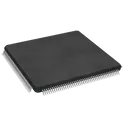
STM32F427IIT6
ARM® Cortex®-M4 STM32F4 Microcontroller IC 32-Bit 180MHz 2MB (2M x 8) FLASH 176-LQFP (24x24) The STM32F427IIT6 specification defines the engineering requirements for a high-performance microcontroller device designed for embedded processing applications requiring advanced computational capability, rich peripheral integration, and reliable real-time control. This specification establishes the functional, electrical, mechanical, environmental, and quality requirements necessary to ensure consistent operation across industrial, consumer, and communication systems. The device is intended for use in complex embedded systems where high-speed processing, efficient memory handling, and extensive peripheral connectivity are required. It supports applications such as industrial automation, motor control, signal processing, communication interfaces, and advanced embedded control systems. Engineering Requirements The microcontroller shall be manufactured using advanced semiconductor fabrication processes to ensure high processing performance, low power consumption, and long-term reliability. The device shall provide stable operation across its intended voltage, temperature, and environmental conditions while maintaining deterministic real-time behavior. The integrated architecture shall support high-speed processing capabilities, embedded memory resources, and multiple communication interfaces for system-level integration. Peripheral functionality shall operate reliably under defined electrical and environmental conditions without degradation of performance. Electrical characteristics shall ensure stable logic levels, accurate timing behavior, and robust signal integrity across all supported operating modes. The device shall maintain functional reliability during power transitions, reset conditions, and dynamic load variations. Mechanical and package construction shall be suitable for surface-mount assembly processes and shall ensure mechanical integrity during soldering, handling, and operation. Workmanship shall be free from defects including contamination, physical damage, or structural inconsistencies that could impact reliability or performance. Inspection, validation, and testing shall be performed using controlled procedures and calibrated equipment to ensure compliance with all applicable engineering and quality standards. Any deviation from this specification shall require formal engineering review, documented justification, and approval through the established change control process. Documentation Supporting documentation shall include engineering datasheets, reference manuals, qualification reports, electrical characterization data, inspection records, and revision-controlled manufacturing documentation. All records shall be maintained under formal configuration management and quality assurance systems. Revision Control Any modification to this specification shall be processed through the established engineering change management system. All revisions shall undergo technical review, validation, and formal approval prior to implementation to ensure continued compliance with design intent and applicable industry requirements. #EngineeringSpecification #Microcontroller #EmbeddedSystems #STMicroelectronics #DigitalControl #IndustrialElectronics #Firmware #Semiconductor #QualityAssurance #EngineeringDocumentation #RealTimeSystems... show more0 Uses
0 Stars
2479774-2
USB-C (USB TYPE-C) Receptacle Connector 24 (6+18 Dummy) - Power Only 6 Pin Position Surface Mount, Right Angle; Through Hole The 2479774-2 specification defines the engineering requirements for a high-density electronic connector assembly intended for board-to-cable or board-to-board interconnection in advanced electronic systems. This specification establishes the functional, mechanical, electrical, environmental, and quality requirements necessary to ensure reliable signal transmission, stable mechanical engagement, and long-term durability in demanding electronic applications. The component is intended for use in systems requiring compact interconnect solutions with high signal integrity and robust mechanical retention. It is suitable for applications such as industrial electronics, communication systems, embedded control units, and high-performance electronic assemblies where reliable connectivity and repeatable mating performance are required. Engineering Requirements The connector assembly shall be manufactured using precision-formed conductive materials and high-strength insulating housing materials to ensure stable electrical performance and mechanical reliability. The design shall support secure mating engagement and consistent signal continuity across repeated connection cycles. Electrical characteristics shall ensure low contact resistance, stable signal integrity, and reliable conductivity under defined operating conditions. The connector shall maintain performance under mechanical vibration, thermal variation, and environmental stress conditions typical of industrial and embedded system applications. Mechanical construction shall ensure accurate alignment between mating interfaces, secure locking engagement, and resistance to accidental disconnection. The design shall support repeated mating cycles without degradation of electrical or mechanical performance. Workmanship shall be free from defects such as contamination, deformation, plating irregularities, or structural inconsistencies that could impact reliability or functionality. Manufacturing and inspection shall be conducted under controlled quality systems using calibrated equipment to ensure compliance with engineering requirements. Any deviation from this specification shall require formal engineering review, documented justification, and approval through established engineering change control procedures prior to implementation. Documentation Supporting documentation shall include engineering drawings, connector datasheets, material declarations, inspection records, qualification test reports, and revision-controlled manufacturing documentation. All documentation shall be maintained under formal configuration management and quality assurance systems. Revision Control All changes to this specification shall be managed through formal engineering change control procedures. Each revision shall undergo technical evaluation, validation, and approval prior to release to ensure continued compliance with design intent and applicable standards. #EngineeringSpecification #Connector #HighDensityInterconnect #ElectronicComponents #SignalIntegrity #EmbeddedSystems #IndustrialElectronics #Manufacturing #QualityAssurance #EngineeringDocumentation... show more7 Uses
0 Stars
SRP1038A-100M
10 µH Shielded Drum Core, Wirewound Inductor 7.5 A 30mOhm Max Nonstandard # Engineering Specification ## Product Name SRP1038A-100M ## General Description SRP1038A-100M is a shielded surface mount power inductor designed for use in high-efficiency DC-DC conversion and power management applications. The device is intended to support energy storage and current smoothing functions in switching regulator circuits, where stable inductance performance and low power loss are critical. The inductor utilizes a ferrite core construction with a shielded magnetic structure to minimize electromagnetic interference and reduce magnetic flux leakage. This enables improved circuit density and reduced noise coupling in compact electronic assemblies. The design is optimized for use in high current power conversion systems, including buck converters, point-of-load regulators, and distributed power architectures. The component is widely used in industrial, automotive, telecommunications, and embedded systems where reliable energy transfer, thermal stability, and efficient power delivery are required. Its surface mount form factor supports automated PCB assembly and compact system integration while maintaining mechanical robustness under thermal and electrical stress. The design emphasizes low direct current resistance, high current handling capability, and stable inductance behavior under load conditions. It is suitable for applications requiring efficient power conversion with minimal energy loss and stable electromagnetic performance. ## Functional Requirements ### Energy Storage The device shall store energy in a magnetic field during switching operation in power conversion circuits. ### Current Filtering The device shall smooth current ripple in switching regulator applications to maintain stable output conditions. ### Electromagnetic Shielding The device shall reduce electromagnetic interference through a shielded magnetic structure. ### Power Conversion Support The component shall support efficient operation in DC-DC conversion systems. ## Electrical Requirements ### Inductive Performance The device shall provide stable inductance characteristics suitable for power conversion and filtering applications. ### Low Loss Operation The inductor shall minimize resistive and core losses to improve overall system efficiency. ### High Current Capability The device shall support operation under elevated current conditions typical of switching power supplies. ### Thermal Stability The inductor shall maintain performance consistency under thermal loading and temperature variation. ## Mechanical Requirements ### Surface Mount Package The device shall be supplied in a surface mount configuration suitable for automated PCB assembly processes. ### Structural Integrity The component shall withstand mechanical stress during assembly, operation, and thermal cycling. ### PCB Integration The design shall support compact layout integration in multilayer printed circuit board systems. ## Environmental Requirements ### Operating Conditions The device shall operate reliably under conditions typical of industrial and embedded electronic systems. ### Thermal Performance The component shall maintain stable operation under continuous power cycling and heat generation. ### Storage and Handling The device shall retain structural and electrical integrity during storage, transportation, and handling. ## Quality Requirements ### Reliability The inductor shall provide consistent long-term performance under continuous electrical and thermal stress. ### Verification Electrical and thermal characteristics shall be validated through appropriate qualification and testing procedures. ### Compliance The product shall conform to applicable standards for magnetic components used in power electronics applications. ## Documentation Requirements Technical documentation shall include application guidance, layout recommendations for switching power designs, thermal considerations, electrical characteristics, and integration practices for DC-DC converter systems. ## Classification Tags #SRP1038A100M #PowerInductor #ShieldedInductor #SMDInductor #MagneticComponent #EnergyStorageInductor #DCDCConverter #BuckConverter #PowerElectronics #SMPSDesign #ElectromagneticCompatibility #EMIShielding #PCBDesign #ElectricalEngineering #EmbeddedPower #IndustrialElectronics #AutomotiveElectronics #CommonPartsLibrary #ComponentLibrary #EngineeringSpecification #PowerManagement #CircuitDesign #HighCurrentInductor... show more5 Uses
0 Stars
TAS5830DADR
Amplifier IC 1-Channel (Mono) or 2-Channel (Stereo) Class D 32-HTSSOP The TAS5830DADR is a high-performance closed-loop Class-D audio amplifier designed for stereo and mono audio applications requiring high efficiency, low distortion, and advanced digital audio processing. The device integrates a digital audio processor with support for multiple audio input formats and high-resolution sampling rates, making it suitable for smart speakers, wireless speakers, soundbars, and battery-powered audio systems. The amplifier incorporates advanced Class-H control algorithms to improve power efficiency during dynamic audio playback while maintaining high audio fidelity. Integrated digital signal processing features include equalization, dynamic range control, automatic gain limiting, rattle suppression, and frequency limiting. The device supports both software-controlled and hardware-controlled operating modes for flexible system integration. The TAS5830DADR is optimized for compact audio designs requiring reduced external components, high power density, and comprehensive protection functions such as over-current, over-temperature, undervoltage, and overvoltage protection. Device Overview Device Type Closed-loop digital input Class-D audio amplifier with integrated DSP Manufacturer Texas Instruments Package Type HTSSOP package Applications Smart speakers Wireless Bluetooth speakers Soundbars Subwoofers Battery-powered audio systems Key Features Audio Performance High-efficiency Class-D modulation Low total harmonic distortion and noise High signal-to-noise ratio Stereo and mono output configurations Integrated closed-loop feedback architecture Digital Audio Support I2S audio interface support Left-justified and right-justified audio formats TDM audio input support High-resolution audio sampling capability Operation without master clock requirement Integrated DSP Functions Multi-band dynamic range control Parametric equalization Automatic gain limiting Dynamic equalization Mixer and volume control Frequency limiter Rattle suppression Power Management Integrated Class-H algorithm support PWM control interface for external DC-DC converter tracking High power efficiency operation Flexible supply voltage configuration Protection Features Over-current protection Cycle-by-cycle current limiting Over-temperature warning and shutdown Undervoltage lockout Overvoltage lockout Power supply monitoring Control Interface I2C software control Hardware configuration mode support Configurable switching frequency and gain settings Electrical Characteristics Supply Configuration Wide PVDD operating range Support for multiple logic voltage levels Audio Sampling Support Standard and high-resolution audio sample rates supported Efficiency High conversion efficiency optimized for portable and high-power audio systems System Integration Design Advantages Reduced external component count Simplified PCB layout requirements Flexible operating modes for software or hardware implementation Suitable for compact audio products Recommended Use Cases Portable speaker platforms Consumer audio systems High-efficiency embedded audio applications Digital audio amplification systems Compliance and Reliability Operating Temperature Range Industrial operating temperature support Reliability Features Integrated fault detection and automatic protection handling for robust system operation Summary The TAS5830DADR is a high-efficiency digital input Class-D amplifier combining advanced DSP functionality, flexible digital audio support, and integrated protection features in a compact package. Its closed-loop architecture and Class-H efficiency optimization make it well suited for modern high-performance consumer audio products requiring excellent sound quality and efficient power management. #commonpartslibrary #integratedcircuit #linearamplifier #opamp... show more8 Uses
0 Stars
ES9082Q
Audio D/A Converter ICs SABRE 8 Channel Smart DAC with Line Drivers, ASP2, 7mmx7mm, 48-QFN The ES9082Q is a high-performance stereo digital-to-analog converter (DAC) developed by ESS Technology for premium audio applications requiring exceptional sound quality, low power consumption, and compact integration. It utilizes the patented HyperStream® architecture and Time Domain Jitter Eliminator technology to deliver highly accurate audio reproduction with ultra-low distortion and noise characteristics. The device supports high-resolution PCM and DSD audio formats, making it suitable for portable audio devices, USB DACs, digital media players, automotive infotainment systems, wireless audio products, and professional audio equipment. The ES9082Q integrates advanced digital filtering, low-jitter clock management, and flexible audio interface support while maintaining efficient power operation for battery-powered applications. Designed for compact embedded audio systems, the ES9082Q provides excellent dynamic range and signal fidelity while minimizing external component requirements. Its architecture enables high-quality playback performance across a wide range of consumer and industrial audio applications. Electrical Characteristics Supply voltage supports low-voltage digital and analog power domains optimized for portable and embedded applications. The device operates with low power consumption while maintaining high audio performance. Integrated power management supports efficient system-level implementation. Audio Performance The converter supports high-resolution stereo audio output with advanced oversampling and noise shaping technology. It delivers ultra-low total harmonic distortion plus noise performance and high dynamic range suitable for high-fidelity audio playback systems. PCM audio data rates support standard and high-resolution formats up to 32-bit depth with sampling frequencies extending to high-definition audio ranges. Native DSD playback capability is also supported for audiophile-grade applications. Digital Audio Interface The ES9082Q supports industry-standard serial audio interfaces including I²S, left-justified, and related digital audio communication protocols. Flexible master and slave clocking configurations enable compatibility with a wide variety of host processors and audio controllers. Integrated jitter suppression circuitry improves clock stability and minimizes timing-induced audio artifacts. Integrated Features The device incorporates digital interpolation filters, volume control functions, soft mute capability, and programmable audio processing features. Internal PLL and clock management circuitry reduce external timing component requirements. Built-in low-noise analog output stages simplify audio signal chain design and reduce overall PCB footprint. Package Information The ES9082Q is provided in a compact surface-mount package optimized for space-constrained audio products. The package supports automated assembly and high-density PCB layouts commonly used in portable and embedded systems. Typical Applications Applications include portable audio players, USB DAC modules, wireless speakers, automotive audio systems, headphones, digital amplifiers, embedded multimedia devices, smart home audio equipment, and professional audio playback systems. #commonpartslibrary #integratedcircuit #audioic #dac #stereodac #esstechnology #es9082q #highresolutionaudio #audiophile #digitalaudio #analogaudio #i2s #dsd #pcm #embeddedaudio #consumerelectronics #portableaudio #usbdac #hifi #signalprocessing #lownoise #lowdistortion #electronicsdesign #pcbdesign #hardwareengineering #electroniccomponents #semiconductor #mixedsignal #audioelectronics #soundquality... show more0 Uses
0 Stars













Page 1 of 24
Next