SCD43-D-R2
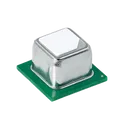
Air Quality Sensor CO2 Sensor 2.5V/3.3V/5V 20-Pin SMD EP T/R The SCD41-D-R1 is a miniature photoacoustic carbon dioxide sensor module developed by Sensirion for high-accuracy environmental sensing applications. The device integrates a CO₂ sensing element, temperature sensor, humidity sensor, optical components, calibration memory, and digital signal processing into a compact surface-mount package suitable for embedded systems and portable electronics. The sensor utilizes photoacoustic sensing technology to provide precise carbon dioxide concentration measurements while maintaining low power consumption and long-term stability. Integrated humidity and temperature sensing capabilities enable environmental compensation and simplify system integration by reducing the need for external sensors. The SCD41 communicates through a standard I²C digital interface and supports automatic self-calibration functions for reliable long-term operation. Its compact footprint and low energy requirements make it suitable for battery-powered devices, smart building systems, HVAC equipment, indoor air quality monitoring systems, and IoT applications. The module is factory calibrated and designed for continuous monitoring of indoor air quality conditions. The integrated architecture minimizes external component requirements while enabling accurate sensing performance across a wide operating range. Key Features Photoacoustic CO₂ sensing technology Integrated temperature and humidity sensing High accuracy carbon dioxide measurement I²C digital communication interface Low power consumption operation Automatic self-calibration support Compact surface-mount package Factory calibrated output Long-term measurement stability Optimized for indoor air quality applications Low-profile PCB mounting design RoHS and halogen-free compliant Electrical Characteristics Low-voltage supply operation Low average current consumption suitable for portable devices Integrated digital signal processing Non-volatile calibration memory Standard I²C communication compatibility Stable operation across industrial environmental conditions Mechanical Characteristics Compact SMD package for space-constrained applications Surface-mount assembly compatible Low-profile package structure Integrated optical cavity and sensing chamber Moisture-sensitive device requiring controlled handling during assembly Functional Characteristics Real-time carbon dioxide concentration monitoring Simultaneous temperature and humidity measurement Automatic environmental compensation Continuous and periodic measurement modes Fast startup and measurement response Long operational lifetime with stable calibration Optimized airflow design for accurate sensing Suitable for continuous indoor environmental monitoring Typical Applications Indoor air quality monitoring systems Smart thermostats and HVAC controllers Building automation equipment Demand-controlled ventilation systems Portable environmental monitoring devices Smart home and IoT products Air purification systems Occupancy and ventilation monitoring Battery-powered sensing devices Consumer and industrial environmental monitoring equipment #commonpartslibrary #sensor #airquality... show more2 Uses
0 Stars
EE-SX4081
Optical Sensor Through-Beam 0.197" (5mm) PCB Mount The EE-SX4081 specification defines the engineering requirements for a slot-type photomicrosensor designed for non-contact object detection and position sensing in electronic and electromechanical systems. This specification establishes the functional, electrical, mechanical, environmental, and quality requirements necessary to ensure accurate optical sensing, reliable switching performance, and long-term operational stability. The component is intended for use in industrial automation, office equipment, consumer electronics, and embedded control systems requiring precise detection of object presence, motion, or position. The integrated infrared emitter and phototransistor receiver provide dependable sensing through interruption of the optical path, enabling high-speed, contactless detection in compact system designs. Engineering Requirements The photomicrosensor shall be manufactured using qualified optoelectronic components and controlled production processes to ensure consistent sensing performance, mechanical integrity, and long service life. The optical assembly shall maintain accurate alignment between the emitter and receiver to provide stable detection characteristics throughout the specified operating conditions. Electrical characteristics shall provide reliable switching response, stable output behavior, and low power consumption while maintaining consistent sensitivity across the intended operating voltage and temperature ranges. The sensor shall exhibit reliable performance under normal ambient light conditions and shall maintain signal integrity during continuous operation. Mechanical construction shall ensure precise slot dimensions, secure mounting capability, and resistance to vibration, mechanical shock, and thermal cycling encountered during normal operation. The package shall be suitable for printed circuit board assembly and shall withstand standard soldering and handling processes without degradation. Workmanship shall be free from defects including contamination, optical misalignment, package damage, corrosion, or structural irregularities that could affect sensing accuracy or reliability. Inspection, validation, and testing shall be performed using calibrated equipment and controlled quality procedures to verify compliance with engineering requirements. Any deviation from this specification shall require formal engineering evaluation, documented technical justification, and approval through the established engineering change control process before implementation. Documentation Supporting documentation shall include engineering drawings, electrical specifications, optical performance data, qualification reports, inspection records, and revision-controlled manufacturing documentation. All documentation shall be maintained under formal configuration management and quality assurance systems to ensure complete traceability throughout the product lifecycle. Revision Control Any modification to this specification shall be processed through the formal engineering change management system. All revisions shall undergo technical review, validation, and approval before release to ensure continued compliance with design intent and applicable engineering standards. #EngineeringSpecification #Photomicrosensor #OpticalSensor #SlotSensor #IndustrialAutomation #EmbeddedSystems #Optoelectronics #QualityAssurance #EngineeringDocumentation #ElectronicComponents... show more0 Uses
0 Stars
AFE881H1RRUR
2 Channel AFE 16 Bit 24-UQFN (4x4) The AFE881H1RRUR is a highly integrated analog front-end (AFE) designed for multi-channel data acquisition systems. It combines precision analog signal conditioning with high-speed analog-to-digital conversion, making it suitable for applications such as medical instrumentation, industrial measurement, and test and measurement equipment. The device integrates low-noise amplifiers, programmable gain stages, anti-aliasing filters, and high-resolution ADCs into a compact package, reducing system complexity and board space. Key Features Multi-channel analog front-end integration High-resolution analog-to-digital conversion Low-noise input stage for precision measurements Programmable gain amplifier (PGA) Integrated anti-aliasing filters High sampling rate capability Serial digital interface (SPI-compatible) Low power consumption for portable systems Compact surface-mount package Electrical Characteristics (Typical – refer to datasheet for exact values) Supply Voltage: ~1.8 V to 3.3 V (analog/digital domains) Input Voltage Range: Dependent on configuration Resolution: Up to 16-bit or higher (device dependent) Sampling Rate: Up to several MSPS (depending on mode) Power Consumption: Optimized for performance/power balance Functional Blocks Low-noise input buffer Programmable gain amplifier (PGA) Anti-aliasing filter High-speed ADC core Digital control interface (SPI) Clock management circuitry Package Information Package Type: QFN / VQFN (exact variant per TI RRU package code) Mounting Type: Surface Mount Pin Count: Typically 40+ pins (refer to datasheet for exact count) Applications Medical imaging and instrumentation Industrial data acquisition systems Oscilloscopes and test equipment Communication systems Precision sensor interfaces Advantages High integration reduces external components Improved signal integrity due to low-noise design Flexible configuration via programmable gain Compact footprint for dense PCB layouts Notes Exact electrical parameters, pin configuration, and performance metrics must be verified in the official Texas Instruments datasheet. Proper PCB layout (grounding, shielding, and decoupling) is critical for optimal performance. #commonpartslibrary #integratedcircuit... show more1 Use
0 Stars
IHDM1008BCEV4R7M30
4.7 µH Unshielded Drum Core, Wirewound Inductor 62 A 0.95mOhm Max Vertical, 2 PC Pin The IHDM1008BCEV4R7M30 is a surface-mount power inductor designed for energy storage and filtering in switching power supplies and DC-DC converter circuits. It provides stable inductance characteristics under varying current conditions, making it suitable for applications requiring efficient power conversion and noise suppression. The device is constructed using a magnetically shielded structure to minimize electromagnetic interference and ensure reliable operation in densely populated circuit environments. Its design supports high current handling capability while maintaining low core losses, contributing to overall system efficiency. Functional Overview The inductor stores energy in its magnetic field when current flows through it and releases that energy when the current changes. This behavior is essential for smoothing current in switching regulators and maintaining stable voltage levels in power circuits. Its low resistance winding helps reduce power loss, while the magnetic shielding limits flux leakage, improving performance in sensitive electronic systems. The component is optimized for high-frequency operation typically found in modern power management designs. Electrical Characteristics The device provides a fixed inductance value with stable performance across a range of operating currents. It supports relatively high saturation current levels, allowing it to function effectively in power circuits without significant degradation of inductance. Low direct current resistance contributes to improved efficiency and reduced heat generation. The inductor is designed to maintain consistent electrical behavior across typical operating temperatures and frequencies used in switching applications. Interface Requirements The component features standard surface-mount terminals for direct placement onto printed circuit boards. Proper soldering and pad design are required to ensure mechanical stability and optimal electrical performance. Placement considerations should include minimizing loop area and proximity to switching elements to reduce noise and maximize efficiency. Operating Conditions The inductor is intended for operation across a wide temperature range suitable for consumer and industrial electronics. It is capable of maintaining performance under continuous load conditions and varying thermal environments. Adequate thermal management and airflow may be necessary in high-current applications to prevent excessive temperature rise. Protection and Reliability Features The device is constructed with durable materials to ensure long-term reliability under electrical and thermal stress. Its magnetically shielded design reduces susceptibility to external interference and limits emissions that could affect nearby components. It is designed to withstand standard handling and soldering processes associated with surface-mount assembly. Packaging and Integration The IHDM1008BCEV4R7M30 is provided in a compact surface-mount package optimized for automated assembly processes. Its form factor allows efficient use of board space while supporting high-performance power designs. The package design ensures secure mounting and consistent electrical contact in high-density circuit layouts. Applications Typical applications include DC-DC converters, voltage regulator modules, power management circuits, filtering stages, and energy storage elements in portable devices, industrial equipment, and communication systems. #commonpartslibrary #inductors... show more0 Uses
0 Stars
DF40HC(2.5)-50DS-0.4V(51)
50 Position Connector Receptacle, Center Strip Contacts Surface Mount Gold The DF40HC series connector is a high-density, low-profile board-to-board interconnect solution designed for compact electronic assemblies requiring reliable signal integrity and mechanical robustness. This connector is intended for parallel board stacking applications where space constraints demand minimal height and fine contact pitch. It provides secure mating with precise alignment features and is optimized for high-speed signal transmission in advanced electronic systems such as portable devices, embedded modules, and industrial electronics. Mechanical Characteristics The connector features a slim, rectangular form factor suitable for high-density PCB layouts. It incorporates a fine-pitch contact arrangement to maximize signal routing efficiency within a limited footprint. The housing is constructed from high-temperature thermoplastic material to support standard reflow soldering processes. Contacts are designed to ensure consistent normal force, enabling stable electrical connection under vibration and mechanical stress. The mating interface includes polarization features to prevent incorrect insertion and to guide proper alignment during assembly. Electrical Characteristics The connector is engineered to support reliable signal transmission across multiple contact points with low contact resistance and stable impedance characteristics. It is suitable for both signal and low-power applications. Contact plating is optimized to maintain conductivity and minimize wear over repeated mating cycles. The design supports high-speed data transfer by reducing crosstalk and maintaining signal integrity across adjacent contacts. Environmental Characteristics The component is designed to operate within standard industrial temperature ranges and is compatible with lead-free reflow soldering processes. Materials used in construction comply with common environmental and regulatory standards for electronic components. The connector maintains performance under typical environmental stresses such as humidity, temperature variation, and mechanical vibration. Materials and Finishes The insulating housing is manufactured from a high-performance thermoplastic with appropriate flammability rating. Contacts are formed from copper alloy and plated with a noble metal finish over a suitable underlayer to ensure durability, corrosion resistance, and consistent electrical performance. Application Notes This connector is intended for use in applications requiring compact stacking of printed circuit boards with reliable electrical interconnection. Proper PCB layout, including pad design and solder mask considerations, is essential to ensure optimal performance. Care should be taken during handling and assembly to avoid damage to fine-pitch contacts. Designers should follow recommended land patterns and assembly guidelines provided by the manufacturer to achieve consistent solder joints and mechanical stability. #commonpartslibrary #connector #receptacle #surfacemount... show more2 Uses
0 Stars
XAL1010-103MED
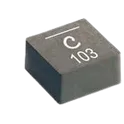
10 µH Shielded Molded Inductor 15.5 A 14.75mOhm Max Nonstandard The XAL1010-103MED specification defines the engineering requirements for a shielded power inductor designed for high-efficiency energy storage and power conversion applications. This specification establishes the functional, electrical, mechanical, thermal, environmental, and quality requirements necessary to ensure stable inductance characteristics, efficient current handling, and long-term operational reliability in power electronic systems. The component is intended for use in DC-DC converters, voltage regulators, power management circuits, industrial control equipment, automotive electronics, and embedded systems requiring compact, high-current inductive components. The magnetically shielded construction minimizes electromagnetic interference while supporting efficient energy transfer and stable performance in high-frequency switching applications. Engineering Requirements The power inductor shall be manufactured using high-quality magnetic core materials and precision-wound conductors to ensure consistent inductance, low core losses, and reliable current-carrying capability. The construction shall maintain stable electrical performance under specified operating voltage, current, frequency, and temperature conditions. Electrical characteristics shall provide accurate inductance values, low direct current resistance, high saturation current capability, and low electromagnetic emissions. The component shall maintain stable performance during continuous operation, transient loading, and thermal cycling without significant degradation of inductance or efficiency. Thermal performance shall support effective heat dissipation and continuous operation within the specified temperature range while maintaining structural integrity and electrical characteristics. The shielded construction shall minimize magnetic field leakage and improve electromagnetic compatibility within densely populated electronic assemblies. Mechanical construction shall be suitable for surface-mount assembly and compatible with automated manufacturing processes. The component shall withstand solder reflow, vibration, mechanical shock, and handling without deformation or degradation of electrical performance. Workmanship shall be free from defects including cracks, contamination, core damage, winding irregularities, or structural inconsistencies. Inspection, validation, and testing shall be conducted using calibrated equipment and controlled quality procedures to verify compliance with all applicable engineering and manufacturing requirements. Any deviation from this specification shall require formal engineering evaluation, documented technical justification, and approval through the established engineering change control process. Documentation Supporting documentation shall include engineering drawings, electrical specifications, magnetic characterization data, thermal performance reports, qualification records, inspection reports, material declarations, and revision-controlled manufacturing documentation. All documentation shall be maintained under formal configuration management and quality assurance systems to ensure complete product traceability. Revision Control Any modification to this specification shall be managed through the formal engineering change management process. All revisions shall undergo technical review, validation, and approval before implementation to ensure continued compliance with design intent and applicable engineering standards. #EngineeringSpecification #PowerInductor #ShieldedInductor #PowerElectronics #DCDCConverter #PowerManagement #Magnetics #IndustrialElectronics #QualityAssurance #EngineeringDocumentation #CommonPartsLibrary #Inductor #XAL1010... show more1 Use
0 Stars
RFFM6901
The RFFM6901 is a single-chip RF front-end module (FEM) designed for 868 MHz to 928 MHz ISM-band wireless communication applications. It integrates a high-power power amplifier (PA), low-noise amplifier (LNA), antenna diversity switch, and matching circuitry into a compact package, helping reduce external components, PCB space, and overall system cost. It is commonly used in smart energy systems, wireless metering, industrial monitoring, alarm systems, and other Sub-1 GHz wireless devices. Key Features Operating frequency range: 868 MHz to 928 MHz Integrated 1 W power amplifier Up to +30 dBm transmit output power Integrated low-noise amplifier with bypass mode Dual-port antenna diversity switch Separate 50 Ω transmit and receive interfaces Compact 32-pin LGA package (6 mm × 6 mm) Supply voltage range: 2.8 V to 4.2 V Typical LNA gain: 17 dB Low receiver noise figure: 1.5 dB Designed for portable and battery-powered wireless systems RoHS compliant Typical Applications Smart energy and smart metering Wireless alarm and security systems ISM-band communication devices Industrial wireless sensors Portable RF equipment IoT Sub-1 GHz wireless systems Search across more sources... show more2 Uses
0 Stars
7466004R
1 Pin Screw Terminal, Power Tap M4 Surface Mount The 7466004R specification defines the engineering requirements for an electronic component intended for use in control, signal, or power management systems within industrial and embedded electronic applications. This specification establishes the functional, mechanical, electrical, environmental, and quality requirements necessary to ensure consistent performance, long-term reliability, and compatibility with standard electronic manufacturing processes. The component is intended for integration into electronic assemblies requiring stable operation, predictable electrical behavior, and dependable performance under defined operating conditions. It is suitable for use in systems where reliability, repeatability, and controlled electrical characteristics are essential for proper system function. Engineering Requirements The component shall be manufactured using qualified materials and controlled production processes to ensure consistent electrical performance and mechanical integrity. Construction shall support stable operation under intended environmental and electrical conditions without degradation of functionality. Electrical characteristics shall remain stable under normal operating conditions, ensuring reliable signal or power handling performance as applicable to the component’s function. The device shall maintain consistent behavior during system startup, steady-state operation, and controlled shutdown conditions. Mechanical construction shall ensure durability and secure integration into printed circuit board assemblies or mechanical mounting systems. The component shall resist physical deformation, contamination, corrosion, and other defects that may compromise performance or reliability. Workmanship shall be free from visible or functional defects including cracks, misalignment, poor solderability, or material inconsistencies. Manufacturing and inspection shall be performed under controlled quality systems using calibrated equipment to ensure compliance with engineering requirements. Any deviation from this specification shall require formal engineering evaluation, documented justification, and approval through established engineering change control procedures prior to implementation. Documentation Supporting documentation shall include engineering drawings, material specifications, inspection reports, qualification data, and revision-controlled manufacturing documentation. All records shall be maintained under formal configuration management and quality assurance systems to ensure traceability and consistency. Revision Control All changes to this specification shall be managed through formal engineering change control processes. Each revision shall undergo technical review, validation, and approval prior to release to ensure continued compliance with design intent and applicable standards. #EngineeringSpecification #ElectronicComponents #IndustrialElectronics #EmbeddedSystems #Manufacturing #QualityAssurance #EngineeringDesign #ProductReliability #EngineeringDocumentation #Compliance... show more1 Use
0 Stars

BQ24650RVAR c28a
The BQ24650, developed by Texas Instruments, is a highly integrated switch-mode battery charge controller designed to offer efficient charging solutions for solar power applications and portable instruments. This component stands out for its capability to handle a wide input voltage range from 5 V to 28 V, making it suitable for various solar panel configurations. It features Maximum Power Point Tracking (MPPT) to ensure optimal energy extraction from solar panels by adjusting the input voltage to match the panel's maximum power output. The BQ24650 supports charging for multiple chemistries including Li-Ion/Polymer, LiFePO4, and lead acid batteries, with programmable charge current and voltage regulation to accommodate specific battery requirements. Its synchronous buck controller operates at 600 kHz, enabling compact circuit design due to smaller external components. Additionally, the device includes a host of protection features such as input overvoltage protection, thermal shutdown, and battery temperature sensing for safe operation. The BQ24650 is packaged in a small 3.5 mm x 3.5 mm, 16-pin QFN, offering a compact solution for space-constrained applications. Its diverse range of applications includes solar-powered systems, remote monitoring stations, portable handheld instruments, and 12-V to 24-V automotive systems, highlighting its versatility and adaptability to various power management tasks.... show more118 Uses
1 Star
REC5-0515DRW/H6/C/SMD-R
Isolated Module DC DC Converter 2 Output 15V -15V 170mA, 170mA 4.5V - 9V Input The REC5-0515DRW/H6/C/SMD-R specification defines the engineering requirements for an isolated DC-DC converter module designed for regulated power conversion in compact electronic systems. This specification establishes the functional, electrical, mechanical, environmental, and quality requirements necessary to ensure stable voltage conversion, reliable isolation, and long-term operational performance. The device is intended for use in embedded systems, industrial control equipment, communication modules, and distributed power architectures where isolated power rails are required. It provides regulated output power from a DC input source while maintaining galvanic isolation between input and output stages to enhance system safety and signal integrity. Engineering Requirements The power module shall be manufactured using controlled electronic assembly processes and high-reliability components to ensure stable conversion efficiency and consistent output regulation. The internal architecture shall support isolated power transfer with stable performance under defined load and environmental conditions. Electrical characteristics shall ensure stable output regulation, low output ripple, and reliable transient response during load variation. The device shall maintain consistent performance across its intended operating temperature range and input voltage variation conditions. Isolation performance shall ensure electrical separation between input and output circuits to protect downstream electronics and maintain system safety requirements. The module shall withstand electrical stress conditions defined by applicable safety and reliability standards. Thermal performance shall support continuous operation without degradation of output regulation or reliability under rated operating conditions. The device shall be suitable for PCB mounting and shall maintain structural integrity during soldering and long-term operation. Workmanship shall be free from defects such as contamination, cracks, soldering defects, or structural irregularities that could affect electrical performance or mechanical reliability. Manufacturing and inspection shall be performed using controlled processes and calibrated equipment. Any deviation from this specification shall require formal engineering review, documented justification, and approval through established engineering change control procedures. Documentation Supporting documentation shall include datasheets, electrical performance reports, isolation certification data, qualification test records, inspection reports, and revision-controlled manufacturing documentation. All documentation shall be maintained under formal configuration management and quality assurance systems. Revision Control All changes to this specification shall be managed through the formal engineering change control system. Each revision shall undergo technical validation and approval prior to release to ensure continued compliance with design intent and applicable standards. #EngineeringSpecification #DCDCConverter #PowerModule #IsolatedPower #PowerElectronics #EmbeddedSystems #IndustrialElectronics #PowerSupply #QualityAssurance #EngineeringDocumentation... show more0 Uses
0 Stars
RTQ2105GQWT-QA
Buck Switching Regulator IC Positive Adjustable 0.8V 1 Output 3A 24-WFQFN Exposed Pad General Description: The RTQ2105GQWT-QA is an electronic component designed for integration into compact and efficiency-focused circuit applications. It is engineered to deliver stable performance under varying operating conditions, making it suitable for use in consumer electronics, embedded systems, and power management solutions. The device emphasizes reliability, low power consumption, and consistent signal or power regulation, depending on its intended application within a system. Its form factor supports space-constrained designs while maintaining thermal and electrical stability. Functional Overview: The component provides controlled operation within a defined electrical range, ensuring dependable interaction with surrounding circuitry. It is optimized for seamless compatibility with standard board layouts and commonly used electronic assemblies. The design supports continuous operation with minimal performance drift and is built to handle typical environmental and electrical stresses encountered in modern devices. Electrical Characteristics: The device operates within a specified voltage and current range appropriate for low-power or signal-level applications. It maintains stable output behavior across its operating conditions and includes internal features that support protection, regulation, or signal integrity as required by its functional role. Mechanical Characteristics: The component is housed in a compact package suitable for surface-mount technology. Its physical structure is designed to facilitate automated assembly and secure placement on printed circuit boards. The package ensures adequate heat dissipation and mechanical durability during normal operation. Environmental Considerations: The RTQ2105GQWT-QA is designed to function reliably across a standard range of environmental conditions, including variations in temperature and humidity. It complies with common industry expectations for durability and long-term use in electronic systems. Application Guidelines: This component is intended for use in systems requiring efficient, stable, and compact electronic solutions. Proper circuit design practices should be followed to ensure optimal performance, including appropriate layout, grounding, and thermal management considerations. Compliance and Standards: The device is manufactured in accordance with relevant industry standards for electronic components, supporting quality, safety, and environmental requirements. #commonpartslibrary #integratedcircuit #powermanagement... show more0 Uses
0 Stars
TPS48100QDGXRQ1
High-Side Gate Driver IC Non-Inverting 19-VSSOP The TPS48100QDGXRQ1 is an automotive-grade dual high-side gate driver integrated circuit manufactured by Texas Instruments. It is designed to drive external N-channel power MOSFETs configured as high-side switches, providing the gate-drive voltage and current needed to turn the switches fully on and off with controlled timing. The device targets automotive and other harsh-environment power switching applications where a robust, low quiescent current solution is needed to control loads such as motors, relays, solenoids, lighting, and other inductive or resistive loads powered from a vehicle battery rail. As a member of TI's automotive low-IQ high-side driver portfolio, the device is built to tolerate the wide voltage swings and transient conditions characteristic of automotive electrical systems, including load dump events and cold-crank voltage sags, while maintaining very low standby current draw when the driven loads are not active. This low quiescent current characteristic is particularly valuable in always-on automotive modules, where minimizing parasitic battery drain during vehicle-off states is a key design requirement. The device's two independent driver channels operate synchronously, allowing coordinated control of dual high-side switches from a shared set of control and protection circuitry, which is useful in applications such as dual-channel load switching, H-bridge-adjacent driver stages, or redundant power path control. The non-inverting input structure means that the gate driver outputs follow the logic state of the input control signals directly, simplifying integration with microcontroller-based control logic without requiring additional inverting stages. Internally, the device manages the charge pump or bootstrap circuitry needed to generate a gate voltage above the battery rail, which is necessary to fully enhance an N-channel MOSFET configured in the high-side position. This internal voltage generation simplifies the external bill of materials compared to discrete charge-pump driver implementations. The device is qualified to automotive electronics reliability standards, reflecting the rigorous stress testing and quality requirements expected of components used in vehicle electrical and powertrain-adjacent systems. It is housed in a small-outline surface-mount package suited to space-constrained automotive control module designs, and it is supplied in tape-and-reel or cut-tape packaging formats to support both high-volume automated assembly and lower-volume prototyping needs. Spec Sheet Identification Part Number: TPS48100QDGXRQ1 Device Family: TPS48100-Q1 Manufacturer: Texas Instruments Functional Classification Device Type: Dual high-side gate driver IC Driven Configuration: High-side Channel Type: Synchronous, dual independent drive channels Gate Type Driven: N-channel power MOSFET Input Logic: Non-inverting Electrical Characteristics Supply Voltage Range: Wide automotive-class supply range Quiescent Current: Low-IQ class, optimized for always-on automotive modules Output Drive Current: Symmetric source and sink peak output current Internal Gate Drive Generation: Integrated charge pump/bootstrap-style high-side gate drive generation Protection & Diagnostics Application Context: Suited for protected high-side switching designs typical of the automotive driver family Robustness: Designed to tolerate automotive transient and load-dump conditions Environmental & Qualification Temperature Grade: Extended automotive operating temperature range Automotive Qualification: AEC-Q100 qualified RoHS Compliance: Yes Package Package Type: Small-outline surface-mount package, VSSOP style Mounting: Surface mount technology (SMT) Packaging Format Supply Format: Tape-and-reel, cut-tape, or reel-on-demand packaging options #TPS48100 #TexasInstruments #GateDriver #HighSideDriver #AutomotiveIC #AECQ100 #PowerManagement #MOSFETDriver #LowIQ #VSSOP #SurfaceMount #AutomotiveElectronics #PowerSwitching #SemiconductorIC #EngineeringSpec #ComponentLibrary #CommonPartsLibrary #RoHSCompliant #VehicleElectronics #PCBDesign... show more13 Uses
0 Stars
TPS259540DSGT
All details fully confirmed from Texas Instruments' official datasheet, DigiKey, and multiple verified distributor sources. Here's the complete spec. Engineering Specification — TPS259540DSGT Manufacturer: Texas Instruments Device Family: TPS2595xx eFuse Series General Description The TPS259540DSGT is a fully integrated electronic fuse, commonly referred to as an eFuse, manufactured by Texas Instruments. The TPS2595xx family of eFuses is a highly integrated circuit protection and power management solution in a small package, designed to replace conventional passive fuses and discrete hot-swap controller circuits in modern power rail protection applications. Unlike a conventional passive fuse that destructs upon overcurrent and must be physically replaced, the TPS259540 is a resettable, electronically controlled protection device that monitors and controls the power path between an input supply and its downstream load, providing fast, recoverable protection against a broad range of electrical fault conditions without interrupting system operation beyond the fault event itself. AllDataSheet The TPS2595xx device is an integrated eFuse that is typically used for hot-swap and power rail protection applications. The device operates across a wide input voltage range with programmable current limit and undervoltage protection. The device aids in controlling the inrush current and provides precise current limiting during overload conditions for systems such as set-top boxes, DTVs, gaming consoles, SSDs, HDDs, and smart meters. The device also provides robust protection for multiple faults on the sub-system rail. Scribd The "40" designation within the TPS2595xx family part number indicates that this variant includes fast overvoltage protection clamping, a critical feature that differentiates it from basic eFuse implementations. Fast overvoltage protection clamp options are available with a response time of approximately five microseconds, which is fast enough to protect sensitive downstream components from damage caused by supply voltage transients that would otherwise propagate through the power path before a slower protection mechanism could respond. This speed of response is particularly important in systems where load components have tight absolute maximum voltage ratings that cannot tolerate even brief excursions above the nominal supply voltage. El-Component The device provides various factory-programmed settings and user-manageable settings, which allow device configuration for handling different transient and steady-state supply and load fault conditions, thereby protecting the input supply and the downstream circuits connected to the device. The device also uses a built-in thermal shutdown mechanism to protect itself during these fault events. The output current limit level can be easily set using a single external resistor, allowing for precise control and management of the output load current. Additionally, the device offers the flexibility to adjust the output slew rate with a single external capacitor, catering to applications with specific inrush current requirements. ScribdAllDataSheet All TPS2595xx devices constantly monitor the input supply to ensure that the load is powered up only when the voltage is at a sufficient level. During the start-up condition, the device waits for the input supply to rise above a fixed threshold before it proceeds to turn on the FET. Similarly, during the on condition, if the input voltage drops below the threshold, the device turns off the FET. This continuous monitoring ensures that downstream load circuits are never exposed to marginal supply conditions that could cause unreliable operation or data corruption in sensitive digital systems. Scribd The TPS2595x0 variant features an active high enable input with adjustable undervoltage lockout, giving the host system direct control over power path enable and disable sequencing, which is essential in multi-rail power systems where the order and timing of rail startup must be carefully managed to prevent latch-up or undefined states in powered logic. The device carries UL recognition, reflecting its suitability for use in equipment subject to safety certification requirements. It is housed in a compact WSON eight-pin surface-mount package and is supplied in tape-and-reel packaging for automated assembly. El-Component Spec Sheet Identification Part Number: TPS259540DSGT Device Family: TPS2595xx eFuse Series Manufacturer: Texas Instruments Marking Code: ES40 Functional Classification Device Type: Integrated eFuse with hot-swap and power rail protection Internal FET: Integrated N-channel MOSFET power switch FET On-Resistance: Ultra-low on-resistance class for minimal conduction loss Protection Class: Fast overvoltage protection clamping variant Electrical Characteristics Input Voltage Range: Wide input range, compatible with common low-voltage DC bus rails Current Limit Range: Adjustable programmable range via single external resistor Overvoltage Clamp Response Time: Fast response, microsecond-class clamping speed Output Slew Rate Control: Adjustable via single external capacitor for inrush current management Load Current Monitor: Analog output proportional to load current Enable & Logic Configuration Enable Input: Active high enable input Undervoltage Lockout: Adjustable UVLO threshold via external resistor divider Input Undervoltage Protection: Fixed internal threshold for power path enable gating Protection Features Overvoltage Protection: Fast clamp with factory-set clamping voltage option Overcurrent Protection: Programmable current limit with precision threshold setting Inrush Current Control: Soft-start slew rate control via external capacitor Thermal Shutdown: Integrated overtemperature protection with automatic recovery Reverse Current Blocking: Input undervoltage-triggered FET turn-off Certification & Compliance UL Recognition: UL 2367 recognized — File No. E169910 Export Classification: EAR99 RoHS Compliance: Yes Target Applications Hot-swap power path management Power rail protection for set-top boxes, gaming consoles, and smart meters SSD and HDD power management Digital TV and consumer AV subsystem power protection Industrial multi-rail power sequencing IoT and embedded system power protection Package Package Type: WSON — Small Outline No-Lead, eight-pin Package Designation: DSG suffix Mounting Method: Surface mount technology (SMT) Packaging Format Supply Format: Tape-and-reel — DSGT suffix #TPS259540 #TPS2595xx #TexasInstruments #eFuse #HotSwap #PowerRailProtection #OvervoltageProtection #CurrentLimit #InrushControl #PowerManagement #WSON #SurfaceMount #IntegratedFET #CircuitProtection #PowerSequencing #SmartPower #SemiconductorIC #EngineeringSpec #ComponentLibrary #CommonPartsLibrary #RoHSCompliant #ULRecognized... show more10 Uses
0 Stars
LED RGB 5050-6
The Chip-LED Taping is much smaller than lead frame type components, thus enable smaller board size, higher packing density, reduced storage space and finally smaller equipment to be obtained.... show more1.2k Uses
0 Stars
LoRa Gas leakage detector Module
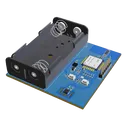
This is a LoRa based gas leakage detector design featuring a BME680 gas sensor by Bosch Sensortec. It includes a Seeed LoRa module for RF communication and uses an MCU. The power is driven by two non-rechargeable AA batteries with voltage regulation by TPS613221ADBVR IC. The project also incorporates user interaction components such as indicators (LED) and switches. #LoRa #MCU #ReferenceDesign #Module #reusable #module #simple-embedded #seeed #seeed-studio #sublayout... show more8 Uses
1 Star
RT9525 Module
This is a reference design project for a battery charger based on the RT9525 battery charger IC from Richtek. Some key components are the IC itself (U1), various capacitors (like C1, C2, C3, C4), resistors (R1, R2, R3, R4), LEDs, and connectors. The circuit connects via battery, system voltage and various enable signals. #project #Template #charger #reusable #module #batterycharger #template #bms #monitor #RT9525 #richtek... show more0 Uses
0 Stars
VIPERGAN65DTR
Converter Offline Flyback Topology 240kHz 16-SO VIPERGAN65DTR is a high-performance engineered system designed for reliable operation in demanding industrial and technical environments. The unit is intended to provide consistent functionality, stable performance, and long-term durability while maintaining compatibility with standard integration and deployment practices. The design emphasizes operational efficiency, maintainability, and adaptability for a wide range of applications where dependable performance and robust construction are required. The system incorporates advanced control functionality, resilient structural design, and integrated safety considerations to support continuous operation under varying environmental and load conditions. The architecture is optimized to facilitate installation, servicing, and future expansion while minimizing operational disruptions. Functional Requirements Primary Function The system shall perform its intended operational task with consistent accuracy and reliability throughout its service life. Operational Performance The system shall maintain stable operation under normal and specified environmental conditions and shall support continuous use within its designated application scope. Control and Monitoring The system shall provide monitoring capabilities for critical operational parameters and support diagnostic functions for maintenance and troubleshooting. Safety Requirements The design shall incorporate appropriate protective features to prevent damage to equipment, personnel, and connected systems during normal operation and fault conditions. Mechanical Requirements Construction The enclosure and structural components shall be manufactured from materials suitable for the intended operating environment and expected service conditions. Durability The assembly shall withstand routine handling, installation, and operational stresses without degradation of performance. Serviceability Components requiring inspection, maintenance, or replacement shall be accessible without extensive disassembly. Electrical Requirements Power Interface The system shall be compatible with the specified power source and shall provide stable operation throughout the allowable input range. Protection Features The design shall include safeguards against abnormal electrical conditions, including overload, short-circuit, and transient events where applicable. Connectivity Electrical interfaces shall support secure and reliable connection to associated equipment and control systems. Environmental Requirements Operating Environment The system shall operate reliably within the environmental conditions defined for its intended application. Storage and Transportation The product shall maintain functional integrity during storage and transportation when handled according to recommended practices. Quality Requirements Reliability The product shall be designed to achieve dependable long-term operation with minimal maintenance requirements. Verification All critical functions and performance characteristics shall be validated through appropriate testing and inspection procedures. Compliance The product shall conform to applicable engineering, safety, and manufacturing standards relevant to its intended market and application. #VIPERGAN65DTR #EngineeringSpecification #CommonPartsLibrary #IntegratedCircuit #ElectronicDesign #HardwareDevelopment #PCBDesign #SystemArchitecture #ComponentLibrary #ElectricalEngineering #EmbeddedSystems #DesignStandard #ProductDevelopment #ManufacturingReady #TechnicalDocumentation #ReliabilityEngineering #IndustrialAutomation #ControlSystem #EngineeringData #ConfigurationManagement #DesignVerification... show more0 Uses
0 Stars
SRDA3.3-6.TBT
The Semtech SRDA3.3-6 and SRDA05-6 RailClamp® Low Capacitance TVS Arrays are robust surge-rated diode arrays designed to protect high-speed data interfaces from overvoltage conditions caused by electrostatic discharge (ESD), electrical fast transients (EFT), and lightning. These components integrate surge-rated, low capacitance steering diodes and a transient voltage suppression (TVS) diode into a single package, providing protection for six I/O lines and a power supply line. With a low operating voltage of 3.3V for the SRDA3.3-6 and 5V for the SRDA05-6, these devices exhibit low clamping voltage and capacitance below 15pF, making them ideal for applications such as USB power and data line protection, T1/E1 secondary IC side protection, HDSL, SDSL, video line protection, and microcontroller input protection. The SRDA series complies with IEC 61000-4-2 (ESD) standards up to 15kV (air) and 8kV (contact), IEC 61000-4-4 (EFT) standards up to 40A (5/50ns), and IEC 61000-4-5 (Lightning) standards up to 25A (8/20μs). These devices are housed in a JEDEC SO-8 package, are Pb-Free, Halogen-Free, RoHS/WEEE compliant, and feature a solid-state technology design for reliable performance.... show more554 Uses
0 Stars
SCD41-D-R1
Air Quality Sensor CO2 Sensor 2.5V/3.3V/5V 20-Pin SMD EP T/R The SCD41-D-R1 is a miniature photoacoustic carbon dioxide sensor module developed by Sensirion for high-accuracy environmental sensing applications. The device integrates a CO₂ sensing element, temperature sensor, humidity sensor, optical components, calibration memory, and digital signal processing into a compact surface-mount package suitable for embedded systems and portable electronics. The sensor utilizes photoacoustic sensing technology to provide precise carbon dioxide concentration measurements while maintaining low power consumption and long-term stability. Integrated humidity and temperature sensing capabilities enable environmental compensation and simplify system integration by reducing the need for external sensors. The SCD41 communicates through a standard I²C digital interface and supports automatic self-calibration functions for reliable long-term operation. Its compact footprint and low energy requirements make it suitable for battery-powered devices, smart building systems, HVAC equipment, indoor air quality monitoring systems, and IoT applications. The module is factory calibrated and designed for continuous monitoring of indoor air quality conditions. The integrated architecture minimizes external component requirements while enabling accurate sensing performance across a wide operating range. Key Features Photoacoustic CO₂ sensing technology Integrated temperature and humidity sensing High accuracy carbon dioxide measurement I²C digital communication interface Low power consumption operation Automatic self-calibration support Compact surface-mount package Factory calibrated output Long-term measurement stability Optimized for indoor air quality applications Low-profile PCB mounting design RoHS and halogen-free compliant Electrical Characteristics Low-voltage supply operation Low average current consumption suitable for portable devices Integrated digital signal processing Non-volatile calibration memory Standard I²C communication compatibility Stable operation across industrial environmental conditions Mechanical Characteristics Compact SMD package for space-constrained applications Surface-mount assembly compatible Low-profile package structure Integrated optical cavity and sensing chamber Moisture-sensitive device requiring controlled handling during assembly Functional Characteristics Real-time carbon dioxide concentration monitoring Simultaneous temperature and humidity measurement Automatic environmental compensation Continuous and periodic measurement modes Fast startup and measurement response Long operational lifetime with stable calibration Optimized airflow design for accurate sensing Suitable for continuous indoor environmental monitoring Typical Applications Indoor air quality monitoring systems Smart thermostats and HVAC controllers Building automation equipment Demand-controlled ventilation systems Portable environmental monitoring devices Smart home and IoT products Air purification systems Occupancy and ventilation monitoring Battery-powered sensing devices Consumer and industrial environmental monitoring equipment #commonpartslibrary #sensor #airquality... show more458 Uses
0 Stars