• PiStrument

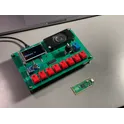
    PiStrument

    Raspberrypi Pico-based sampler, sequencer + drum machine w/ an embedded speaker, Adafruit I2S amplifier and momentary step switches, evoking the tr808 synthesizer ⁠

    139 Comments

    22 Stars


  • ExcaliPad-Project

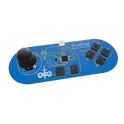
    ExcaliPad-Project

    Personalized keyboard controller based on the ATMEGA32U4 and Arduino-compatible. Designed with USB-C connection and features a 2-Axis Switch Thumb Joystick by @sparkfun and tactile switches.

    32 Comments

    11 Stars


  • BLE Encoder

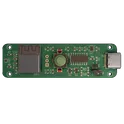
    BLE Encoder

    BLE remote control board. Based on SoC ESP32-C3-MINI-1 that allows you to program it as HID volume multichannel control, you can switch channels with the user button, or use it as arrow keys. #internetOfThings

    &

    193 Comments

    10 Stars


  • Pico Macro Keyboard

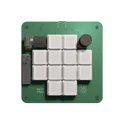
    Pico Macro Keyboard

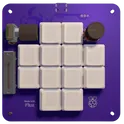
    The Pico Macro Keyboard is a compact and powerful macro pad built using the latest Raspberry Pi Pico 2. Inspired by the Figma Creator Micro, this keyboard is designed for customizable control and enhanced productivity. It features mechanical switches with per-key RGB lighting, along with two rotary encoders for added functionality. With a modular 4-layer PCB and fully customizable keymaps, it seamlessly integrates with any software, making it perfect for designers, gamers, and power users alike.

    &

    128 Comments

    6 Stars


  • 83 Keyboard

    83 Keyboard

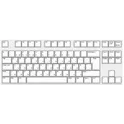
    A 83 key keyboard, Norwegian QWERTY/DVORAK ISO style. It's of course possible to use other languages, as the MX cherry switches will accept keycaps with whatever language you need. It uses 83 1N4148 diodes and three LED's for caps lock,scroll lock, and QWERTY/DVORAK. It also needs pin headers that accepts the pins from a Teensy++2.0

    5 Comments

    5 Stars


  • Strangest LED Blinker TestSite

    Strangest LED Blinker TestSite

    Project Overview: This project is an enhanced LED blinking circuit that goes beyond a simple 555 timer-based design. It incorporates additional features such as random blinking patterns, speed control, and a start/stop function. The project utilizes a microcontroller, such as an Arduino or Raspberry Pi, to control the blinking patterns, speed, and start/stop functionality. LED Blinking: The board features a total of 8 LEDs that blink in various random patterns. When the board is powered on, even before user interaction, the LEDs start blinking randomly, creating an eye-catching display. Each LED has its own current-limiting resistor to ensure proper current flow and prevent damage. The microcontroller is programmed to generate random blinking patterns for the LEDs, ensuring that the LEDs do not blink in a predictable or sequential order. This random blinking adds an element of unpredictability and visual interest to the project. Speed Control: The board includes two speed control buttons that allow the user to adjust the blinking speed of the LEDs. Button 1 is designated as the "fast" button, increasing the blinking speed when pressed, while Button 2 is designated as the "slow" button, decreasing the blinking speed when pressed. The speed control provides a range of blinking speeds, from a slow, gradual blink to a rapid, strobe-like effect. The microcontroller monitors the state of the speed control buttons and adjusts the blinking speed accordingly. Start/Stop Functionality: A third button serves as a start/stop control. When pressed, it toggles the blinking of the LEDs on or off. This allows the user to freeze the blinking pattern at any desired moment or resume the blinking when desired. The microcontroller handles the start/stop functionality by turning the LEDs on or off based on the state of the start/stop button. Manual Speed Adjustment: In addition to the speed control buttons, the board includes a potentiometer or variable resistor. This component allows the user to manually adjust the blinking speed of the LEDs by turning the knob or sliding the control. The manual speed adjustment provides more precise and customizable control over the blinking speed compared to the preset speeds of the buttons. The microcontroller reads the analog value from the potentiometer and adjusts the blinking speed accordingly. Power and Connectivity: The board is powered through a USB-C or USB-micro B connector, allowing it to be easily connected to a power source such as a computer or wall adapter. A voltage regulator may be included to ensure a stable and appropriate voltage supply to the components. A power switch is incorporated to conveniently turn the board on or off.

    224 Comments

    4 Stars


  • Q4-2022-Dogfooding-On Air-markwu2001-Remix-R1

    Q4-2022-Dogfooding-On Air-markwu2001-Remix-R1

    IMPORTANT NOTICE: Hey, I opened editing permissions and this doc is broken, see the frozen version here: https://www.flux.ai/markwuflux/on-air-markwu2001-remix-r1-backup-freeze-0b49 R1 changes: -Changed LED part to Red LEDs -adjusted resistor value of buck converter -Changed source for USB-C Connector -Removed exposed soldermask on buck converter with negative soldermask expansion -Order with black soldermask Modified by markwu2001: - Adjustable Brightness, - 85-90% Drive Efficiency - <5W Operation (Can use 5V 1A Plug) This project can be purchased from LCSC Original Description: Daddy's second circuit board. A sign to let my wife know when I'm on a call. Activates with a slide switch and is powered by USB-C.

    3 Comments

    4 Stars


  • Alternative Olive Ecto Goggles

    Alternative Olive Ecto Goggles

    Cree un cargador de baterías para salidas de 5v, 7v, 9v y 12v con un LED que indique qué salida se está utilizando. Con un dip switch y que utiliza una pantalla o LEDS para indicar el nivel de carga de la batería o si está cargando o no, que cuando la batería esté cargada a la mitad emite un sonido y cuando termina de cargar emite de nuevo el sonido y que deje de cargar automaticamente

    12 Comments

    3 Stars


  • Pico Macro Keyboard

    Pico Macro Keyboard

    The Pico Macro Keyboard is a compact and powerful macro pad built using the latest Raspberry Pi Pico 2. Inspired by the Figma Creator Micro, this keyboard is designed for customizable control and enhanced productivity. It features mechanical switches with per-key RGB lighting, along with two rotary encoders for added functionality. With a modular 4-layer PCB and fully customizable keymaps, it seamlessly integrates with any software, making it perfect for designers, gamers, and power users alike.

    &

    3 Stars