E-Paper Display Connection Guide
0:34
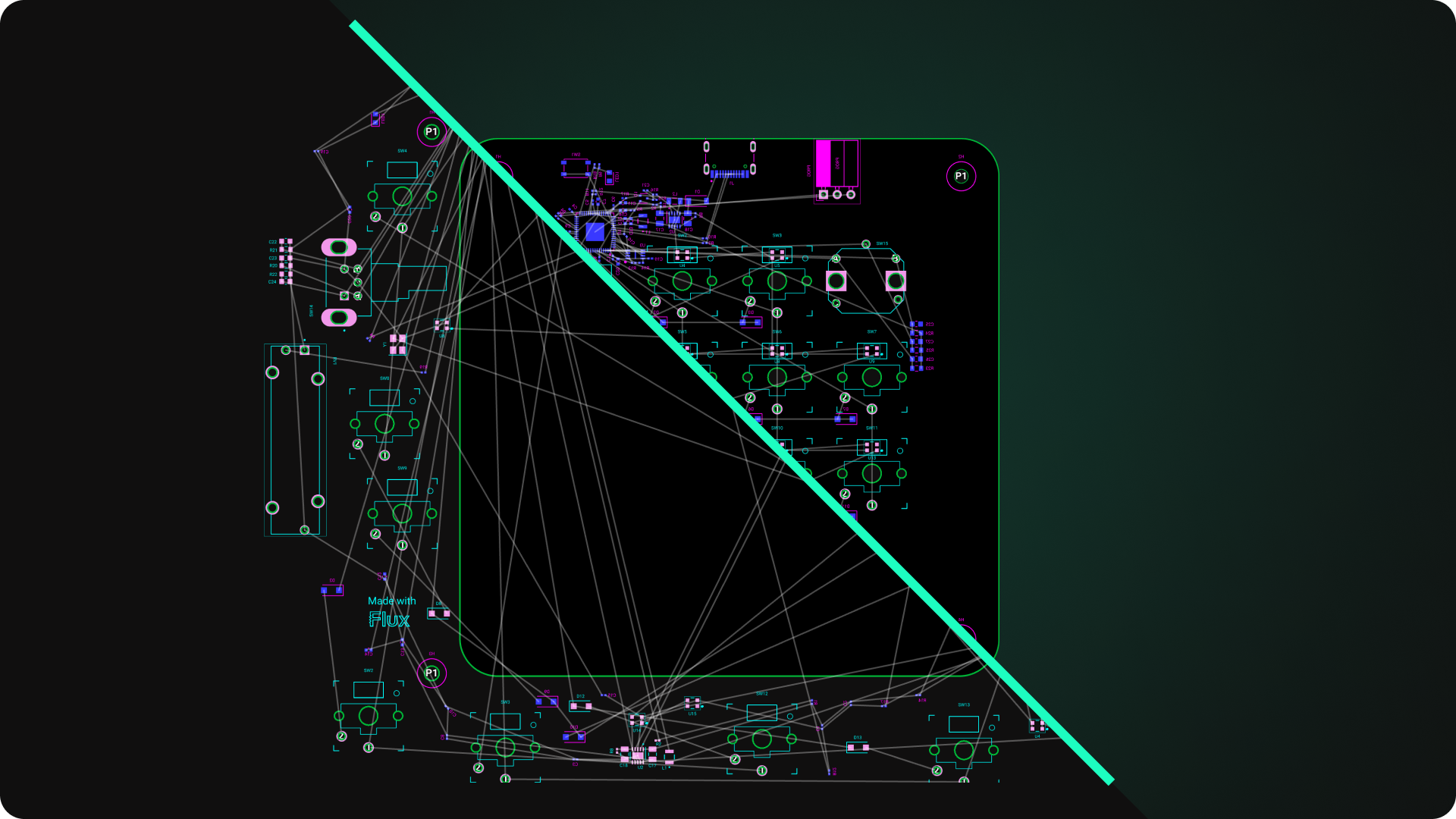
Below is a recommended connection scheme to interface the 2.7″ e‑paper display (mapped to J1) with the ESP32-WROOM-32D on U1. Most 2.7″ e‑ink modules use an SPI interface along with several additional control signals. In this scheme, the suggested connections are as follows:
Table
| E‑Paper Pin | Purpose | ESP32-WROOM-32D (U1) Pin (Suggestion) |
|---|---|---|
| VCC | Power supply | 3.3V |
| GND | Ground | GND |
| DIN (MOSI) | Data Input (SPI MOSI) | IO23 |
| DOUT (MISO) | (Optional: SPI MISO) | IO19 (only if reading from the display) |
| CLK (SCK) | SPI Clock | IO18 |
| CS | SPI Chip Select | IO5 |
| D/C | Data/Command control | IO4 |
| RST | Reset | IO15 |
| BUSY | Busy status (optional) | IO21 |
Notes:
- VCC and GND provide the required power to the display (ensure the module’s voltage requirements match the ESP32’s 3.3V supply).
- The MISO connection might not be used if the display only needs SPI writes.
- D/C distinguishes between command and data bytes.
- RST is necessary for proper initialization of the display.
- BUSY (if available on your module) indicates when the display is processing commands so that the MCU may wait before sending subsequent commands.
Review the provided 2.7 Inch E-Paper Specification.pdf for any module‑specific requirements (such as timing and voltage levels). Adjust the suggested ESP32 GPIO assignment if those pins are already allocated elsewhere in your design.
This connection guidance outlines how to wire the display (J1) to the MCU (U1).
419 days

0:36
Your request is to add decoupling capacitors for each power pin of the e‑ink display on J1. This includes placing a decoupling capacitor (typically 100 nF is recommended for high‑frequency noise filtering) at each power pin to ensure proper filtering and stable operation.
Calculate the needed passive components
Add protection components
Add an I2C level shifter
419 days
To get started, talk to Flux or create a New Document.

Welcome 👋
Flux helps you build PCBs faster with an AI teammate!
Create your account to collaborate, stay updated, fork your own version, and get instant answers from our AI agent.