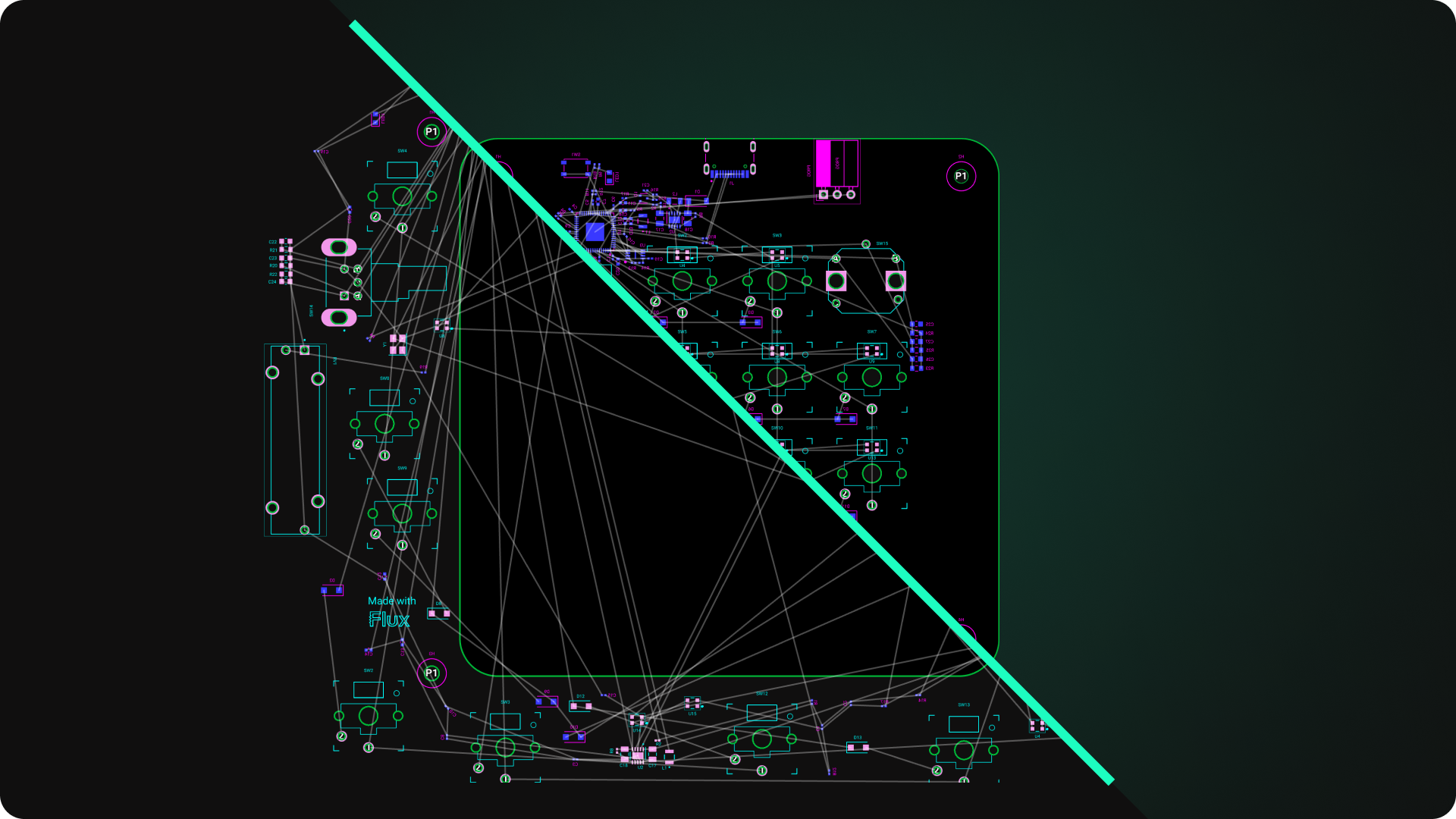
Temperature and Humidity Sensor Node Design

Make me a temperature and humidity sensor node with Wifi and Bluetooth, powered by USB-C (5V) for consumer use.
It should be a low-power environmental node with a digital T/RH sensor, ultra-low-power MCU with Wi-Fi + Bluetooth (dual-radio) — 2.4 GHz 802.11 b/g/n plus BLE 5.x powered by USB-C (5 V) — USB-C receptacle 5 V default; include reverse/OVP/UVLO/OCP protection and plan for 0.5–3 A sources.
20 days
0:59
Planning response strategy.
Thinking deeply about your request.
Working on your request.
Crafting a project plan.
You want a consumer USB-C powered temperature and humidity sensor node with low power, Wi‑Fi, BLE, and protected 5 V input.
- I’ve created a ready-to-execute plan covering:
- System architecture
- USB-C power entry and protection
- Wireless MCU integration
- Digital T/RH sensor integration
- Schematic review and project updates
Click Start on the plan bar to build it. Let me know if you want any requirement changed first.
Plan
Goal
- Design a consumer USB-C powered low-power environmental sensor node that measures temperature and humidity via a digital sensor. The node will use an ultra-low-power MCU with dual-radio wireless (Wi-Fi 2.4 GHz 802.11 b/g/n and BLE 5.x) and will operate on 5 V from a USB-C receptacle with robust input protection (reverse polarity, over-voltage, under-voltage lockout, and over-current protection) planned for USB-C supplies between 0.5 A and 3 A, drawing only the necessary current.
-
System Architecture and Schematic Design
- Capture overall product requirements in the project description, emphasizing low power, safety across USB-C source variations, and dual-radio wireless connectivity.
- Define the schematic architecture including a USB-C power entry, protection circuits, voltage regulation (if needed), the ultra-low-power MCU with integrated Wi-Fi and BLE radios, and the digital temperature/humidity sensor.
-
USB-C Power and Protection Circuitry
- Select and add a USB-C receptacle component.
- Design and add input protection circuits covering:
- Reverse polarity protection
- Over-voltage protection (OVP)
- Under-voltage lockout (UVLO)
- Over-current protection (OCP)
- Ensure the protection design is compatible with USB-C sources that provide between 0.5 A and 3 A while drawing just the required current.
-
MCU and Wireless Connectivity Selection
- Identify and add an ultra-low-power MCU that supports 2.4 GHz Wi-Fi (802.11 b/g/n) and BLE 5.x. (Consider parts such as ESP32 or equivalent that balance low-power performance with dual-radio requirements.)
- Define signal connections between the MCU and the power regulation and protection circuits.
-
Digital Temperature and Humidity Sensor Integration
- Select and add a digital temperature/humidity sensor (e.g., Sensirion SHT3x series) to the schematic.
- Connect the sensor to the MCU using the appropriate digital interface (I²C or SPI) and add any required pull-up resistors.
-
**Review and Update Project Properties
- Update the project description to reflect the new consumer environmental sensor node requirements.
- Verify all schematic connections align with design requirements and safety objectives.
- The schematic includes a USB-C power input with implemented protection circuits for reverse polarity, OVP, UVLO, and OCP.
- The design features an ultra-low-power MCU with dual-radio Wi-Fi (802.11 b/g/n) and BLE 5.x connectivity.
- A digital temperature/humidity sensor is integrated with proper interfacing to the MCU.
- The architecture supports safe operation using power sources in the range of 0.5 A to 3 A while limiting current draw to requirements.
- All design elements are updated in the project for schematic and PCB layout readiness for further development and review.
Add ESD protection
Choose ESP32-C6
Pick SHT41 sensor
20 days
To get started, talk to Flux or create a New Document.

Welcome 👋
Flux helps you build PCBs faster with an AI teammate!
Create your account to collaborate, stay updated, fork your own version, and get instant answers from our AI agent.