Pin Function Grouping

Done. I generalized the functional grouping so all PTA/PTB/PTC/PTD/PTE terminals now use Pin Group = GPIO.
The remaining high-level groups are now: Power, Ground, Reference, Oscillator, and GPIO; rail-specific details remain in Pin Description where useful.
Add a Section property to all pins, and apply the same value used in the Pin Group property to each pin's Section property
I’ll copy each pin’s current Pin Group value into its Section property across all 172 terminals, then spot-check representative pins from each group.
Done. I added Section to the pins and set it to match each pin’s Pin Group value:
  • GPIO pins → Section = GPIO
  • Power pins → Section = Power
  • Ground pins → Section = Ground
  • Reference pins → Section = Reference
  • Oscillator pins → Section = Oscillator
I spot-checked representative pins from each group and confirmed Section matches Pin Group.
Run ERC check
Check Section mismatches
Export pin table
Clean pin metadata
PTC20
Pin Number
85
PTD9
Pin Number
63
PTB1
Pin Number
94
PTA18
Pin Number
1
PTD6
Pin Number
52
PTC17
Pin Number
65
PTB14
Pin Number
114
PTB5
Pin Number
47
PTD0
Pin Number
8
PTB4
Pin Number
48
PTA15
Pin Number
145
PTB8
Pin Number
133
PTD14
Pin Number
40
PTB20
Pin Number
44
PTD17
Pin Number
31
PTB17
Pin Number
110
PTC27
Pin Number
93
PTA0
Pin Number
137
PTA17
Pin Number
109
PTA3
Pin Number
123
PTB11
Pin Number
126
PTB12
Pin Number
117
PTD15
Pin Number
35
PTB0
Pin Number
95
PTC14
Pin Number
71
PTC18
Pin Number
82
PTC16
Pin Number
66
PTA5
Pin Number
167
PTC25
Pin Number
89
PTC12
Pin Number
83
PTB9
Pin Number
130
PTA8
Pin Number
172
PTA1
Pin Number
135
PTD8
Pin Number
64
PTB18
Pin Number
42
PTA4
Pin Number
170
PTC19
Pin Number
84
PTA6
Pin Number
102
PTC30
Pin Number
101
PTD11
Pin Number
55
PTD1
Pin Number
7
PTA13
Pin Number
155
PTB3
Pin Number
74
PTC24
Pin Number
88
PTD2
Pin Number
121
PTB2
Pin Number
79
PTB10
Pin Number
129
PTA9
Pin Number
171
PTE26
Pin Number
164
PTA2
Pin Number
124
PTC21
Pin Number
86
PTC31
Pin Number
103
PTB15
Pin Number
113
PTD13
Pin Number
41
PTD7
Pin Number
51
PTA7
Pin Number
100
PTB21
Pin Number
45
PTA16
Pin Number
143
PTC23
Pin Number
87
PTD4
Pin Number
119
PTD10
Pin Number
56
PTC11
Pin Number
90
PTC29
Pin Number
99
PTA12
Pin Number
159
PTC26
Pin Number
91
PTD16
Pin Number
34
PTD12
Pin Number
54
PTC28
Pin Number
96
PTA14
Pin Number
152
PTB19
Pin Number
43
PTD3
Pin Number
120
PTB16
Pin Number
112
PTD5
Pin Number
53
PTC15
Pin Number
68
PTA11
Pin Number
160
PTC13
Pin Number
81
PTA10
Pin Number
161
PTB13
Pin Number
116


No results...

S32K344EHT1VPBST

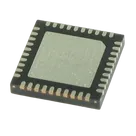
S32K344EHT1VPBST thumbnail
ARM® Cortex®-M7 S32K3 Microcontroller IC 32-Bit 160MHz 4MB (4M x 8) FLASH 172-QFP (16x16)
S32K344EHT1VPBST is an automotive-grade 32-bit microcontroller from NXP Semiconductors based on the Arm Cortex-M7 core architecture. The device is designed for high-performance real-time automotive body, chassis, powertrain, and domain control applications requiring functional safety, security, and advanced communication interfaces. It integrates high-speed processing capability, extensive peripheral integration, hardware security acceleration, and deterministic control functions suitable for safety-critical embedded systems.
The microcontroller operates with an Arm Cortex-M7 CPU core running at high frequency with floating-point support and DSP extensions for computationally intensive applications. Integrated flash memory and SRAM provide embedded program and data storage optimized for automotive embedded control systems. The device supports hardware-assisted security features including secure boot, cryptographic acceleration, and tamper protection for secure automotive network communication and firmware integrity.
The S32K344EHT1VPBST includes multiple communication peripherals supporting CAN FD, FlexCAN, LIN, SPI, UART, I2C, and Ethernet interfaces for distributed automotive networking and gateway applications. Advanced analog integration includes ADC modules, timers, PWM generators, watchdogs, and motor-control-oriented peripherals enabling precision sensing and control functionality.
The device supports functional safety development aligned with ISO 26262 requirements and includes error correction, memory protection, fault monitoring, and safety management features. Power management functionality supports low-power operating modes for energy-efficient automotive electronic control units.
The microcontroller is housed in a thermally enhanced LQFP package suitable for automotive operating environments with extended temperature capability and AEC-Q100 qualification for automotive reliability standards.

Properties

S32K344EHT1VPBST

NXP

Microcontroller

U

parametric-v1

Pricing & Availability

See prices from popular manufacturers for your project.

Controls