Transistors
A transistor is a type of electronic device that controls the flow of electricity or current through a circuit. It acts as a switch or gate, allowing current to pass through or blocking it, depending on the input signal applied to the transistor. Transistors are widely used in a variety of electronic devices and systems, including computers, televisions, radios, and smartphones. They are also used in a range of industrial and medical applications, such as power supply systems and medical equipment. Flux.ai is home to the world's largest community-driven public library of transistors, with footprints, symbols, datasheets, and simulation models available for a wide range of devices. The library is constantly being updated and expanded by a community of engineers and enthusiasts, making it an invaluable resource for anyone working with transistors. Whether you're a student, hobbyist, or professional engineer, you'll find everything you need to know about transistors at Flux.ai.
AOD403
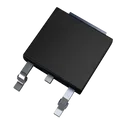
P-Channel 30V 15A (Ta), 70A (Tc) 2.5W (Ta), 90W (Tc) Surface Mount TO-252 (DPAK) P-channel enhancement-mode MOSFET designed for power switching applications, featuring a −30 V drain-source voltage, −70 A continuous drain current (at V<sub>GS</sub> = −20 V, T<sub>C</sub> = 25°C), and a maximum R<sub>DS(on)</sub> of 6.2 mΩ at V<sub>GS</sub> = −20 V (8 mΩ max at −10 V). The device uses advanced trench technology and is specified with ±25 V gate-source voltage, 100% UIS testing, and 100% gate resistance (R<sub>g</sub>) testing. #Commonpartslibrary #Transistor #P-Channel #MOSFET #PowerMOSFET #30V #HighCurrent #LowRDSon
20 Uses0 StarsRGPR20NS43HRTL
IGBT 460 V 20 A 107 W Surface Mount LPDS #CommonPartsLibrary #Transistor #IGBT The RGPR20NS43HRTL specification defines the engineering requirements for an ultrafast recovery power rectifier designed for high-efficiency power conversion and switching applications. This specification establishes the functional, electrical, mechanical, thermal, environmental, and quality requirements necessary to ensure reliable rectification performance, low switching losses, and long-term operational stability in power electronic systems. The device is intended for use in switch-mode power supplies, power factor correction circuits, motor drives, industrial power equipment, and other high-frequency power conversion applications. It provides efficient current rectification with fast reverse recovery characteristics, enabling improved system efficiency and reduced electromagnetic interference in demanding electrical environments. Engineering Requirements The rectifier shall be manufactured using qualified semiconductor fabrication processes and high-quality materials to ensure consistent electrical performance, thermal stability, and long service life. The device shall maintain reliable operation under specified voltage, current, and temperature conditions without degradation of functional performance. Electrical characteristics shall provide low forward voltage drop, fast reverse recovery time, and high surge current capability to support efficient high-frequency switching applications. The device shall maintain stable electrical behavior under repetitive switching cycles and transient operating conditions. Thermal performance shall support effective heat dissipation through the package structure and recommended mounting configuration. The component shall operate within specified junction temperature limits while maintaining electrical integrity and long-term reliability under continuous or intermittent load conditions. Mechanical construction shall be suitable for standard surface-mount or through-hole assembly, depending on the package configuration, and shall withstand soldering, handling, vibration, and thermal cycling without mechanical degradation. Workmanship shall be free from defects including contamination, cracks, bond failures, corrosion, or structural inconsistencies that could adversely affect electrical or mechanical performance. Inspection, validation, and testing shall be conducted using calibrated equipment and controlled quality procedures to verify compliance with all applicable engineering and manufacturing requirements. Any deviation from this specification shall require formal engineering evaluation, documented technical justification, and approval through the established engineering change control process. Documentation Supporting documentation shall include engineering drawings, electrical performance data, thermal characterization reports, qualification records, inspection reports, and revision-controlled manufacturing documentation. All documentation shall be maintained under formal configuration management and quality assurance systems to ensure complete product traceability. Revision Control Any modification to this specification shall be managed through the formal engineering change management process. All revisions shall undergo technical review, validation, and approval before implementation to ensure continued compliance with design intent and applicable engineering standards. #EngineeringSpecification #PowerRectifier #UltrafastRecoveryDiode #PowerElectronics #SwitchModePowerSupply #IndustrialElectronics #Semiconductor #ThermalManagement #QualityAssurance #EngineeringDocumentation
0 Uses0 Stars