LEDs
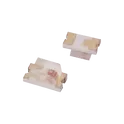
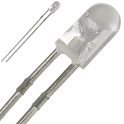
A LED (light-emitting diode) is a small, energy-efficient light source that is commonly used in a variety of applications. LED technology has advanced significantly in recent years, making it a popular choice for a wide range of lighting needs. LEDs are known for their low power consumption, long lifespan, and ability to produce a bright, directional light. One of the primary use cases for LEDs is in general lighting, where they are used in everything from residential and commercial lighting to automotive and aviation lighting. LEDs are also commonly used in electronic displays, such as TVs, computer monitors, and smartphones, as well as in signaling and indication applications, such as traffic lights and exit signs. If you are looking for high-quality LED resources, flux.ai has the world's largest community-driven public library of LED footprints, symbols, datasheets, and simulation models. Whether you are a designer, engineer, or manufacturer, you can find the resources you need to work with LEDs in your projects.

Kailh Choc hot-swap socket
Kailh Choc hot swap socket footprint, supporting both Choc V1 and Choc V2 switches. Suggested LED placement varies slightly between the two versions - the V2 position is denoted by a much thinner silkscreen rectangle than the V1. The plate hole also has a difference in size of 0.015mm between V1 and V2; both sizes are shown by thin squares inside the outer perimeter square.
775 Uses1 StarsSeeed Studio XIAO MG24
XIAO MG24 is an ultra-low-power wireless development board based on Silicon Labs' EFR32MG24 SoC, featuring a high-performance 78MHz ARM Cortex®-M33 core. It‘s Matter® native over Thread® and Bluetooth® Low Energy 5.3, all supported by the Arduino® Core. With 4MB Flash onboard, 19 GPIOs, LED, and charging circuit, it boasts extremely low operating current and ultra-low-power modes, making it an ideal choice for IoT applications, especially battery-powered projects utilizing Matter® protocols.
18 Uses1 Stars